2026 is shaping up to be the year smart homes go from luxury to lifestyle. With technology evolving faster than ever, home automation is no longer about impressing guests with voice-controlled lights—it’s about making daily living simpler, safer, and more sustainable.
In the UK, smart home adoption continues to rise, driven by energy costs, security concerns, and the growing convenience of AI-powered automation. Whether you’re upgrading a few devices or designing a fully connected home, this guide explores the top smart home automation ideas for 2026, curated for comfort, security, and efficiency.
Why Smart Home Automation Matters More Than Ever
Smart home automation isn’t just a trend—it’s a shift in how we live. By integrating devices that communicate seamlessly, homeowners can manage lighting, heating, access, and security systems all from their phones or through simple voice commands.
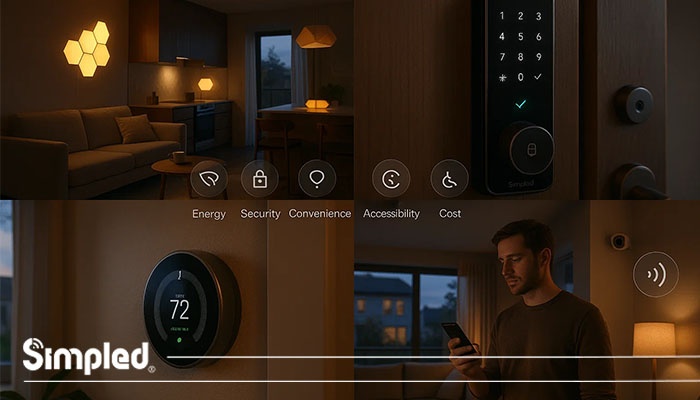
Key benefits include:
Energy efficiency: Automated systems help reduce unnecessary consumption.
Enhanced security: Smart locks and cameras protect your home 24/7.
Convenience: Schedule and control devices remotely.
Accessibility: Ideal for seniors or busy professionals.
Cost savings: Many automations lower electricity and heating bills.
Top Smart Home Automation Ideas for 2026
1. Smart Security Systems & Locks
Security remains the cornerstone of every smart home—and in 2026, innovation is at its peak.
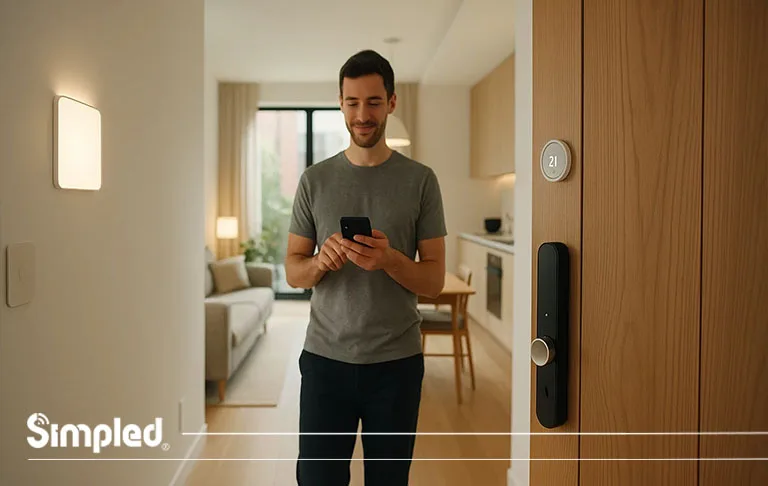
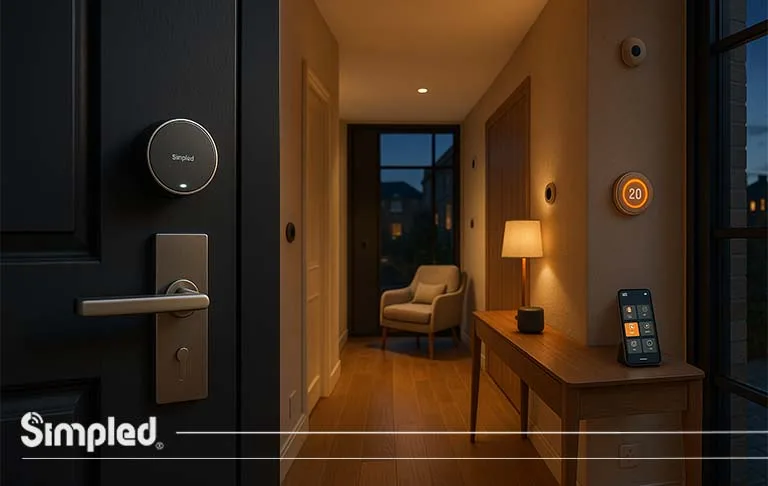
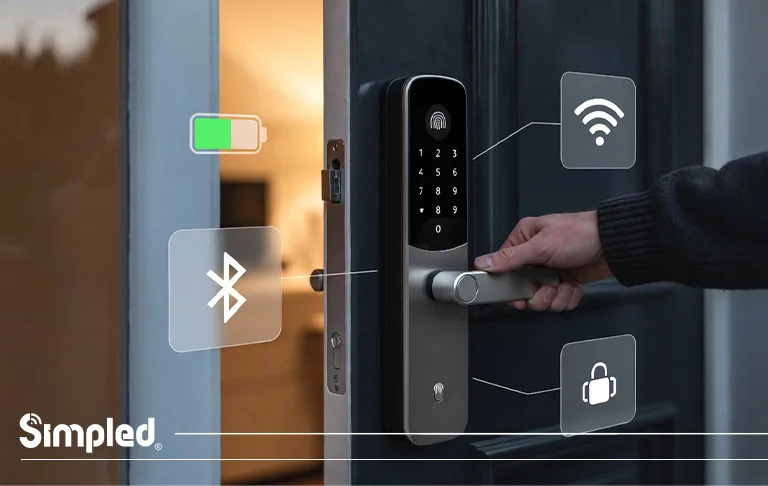
Modern smart locks, like the Simpled SS Slim Series, combine biometric recognition, BLE technology, and optional WiFi connectivity for remote access and monitoring. These locks eliminate the need for keys, allowing secure entry through fingerprints, PINs, or mobile apps.
Smart cameras and doorbells integrate with these locks, creating a unified access ecosystem that alerts you when someone approaches and lets you unlock the door remotely.
Pro Tip: Choose locks that support both BLE and WiFi for flexibility—BLE for battery-saving offline use, WiFi for full remote control.
2. Energy-Efficient Lighting Automation
Smart lighting has moved beyond simple timers. In 2026, AI-driven lighting systems adjust brightness and colour temperature based on your routine, natural light, or even mood.
Pairing these systems with solar panels or smart energy hubs allows households to drastically cut energy bills. Motion sensors ensure lights turn off in empty rooms—an effortless way to conserve energy.
UK Insight: With rising energy prices, homeowners increasingly choose smart LED bulbs compatible with Alexa or Google Home to balance convenience with efficiency.
3. Smart Climate Control & Thermostats
Heating and cooling automation is one of the smartest investments you can make. Devices like smart thermostats and connected HVAC systems learn your habits and adjust temperatures automatically, saving up to 25% in energy use annually.
These devices sync with weather forecasts and occupancy data to preheat or cool your home efficiently. Some UK homes now link smart thermostats with solar energy storage systems, maximising savings and sustainability.
Expert Tip: Look for thermostats that support zonal heating, especially for larger homes—allowing you to heat only occupied areas.
4. Smart Lighting for Mood & Wellness
Lighting automation is also transforming how we feel at home. Dynamic lighting setups adjust colour and brightness to support circadian rhythms, improving sleep and concentration.
For example:
Morning: Bright white light to energise.
Afternoon: Neutral tones for focus.
Evening: Warm hues to help you unwind.
Integrating lighting control through mobile apps or voice assistants lets homeowners set mood presets—perfect for movie nights, dinner parties, or relaxation.
5. Voice-Controlled Home Assistants
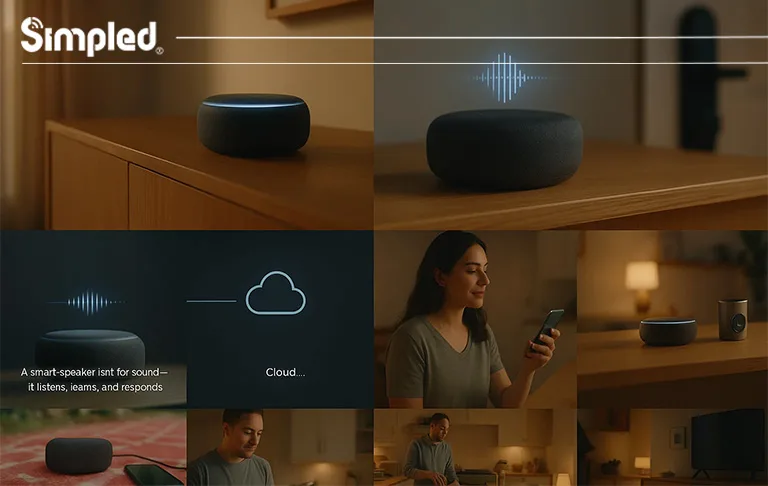
Smart speakers like Alexa, Google Home, and Apple HomePod have become the command hubs of UK households. They now control entire ecosystems—lighting, locks, heating, and even appliances.
What’s new in 2026? Context-aware AI. Your assistant will not only respond to commands but anticipate needs—like suggesting to lock the doors if you’ve left home or dimming lights when it’s bedtime.
Tip: Combine voice control with automation routines. For example, a “Goodnight” command can simultaneously lock doors, switch off lights, and set the thermostat to eco mode.
6. Smart Door Viewers & Cameras
Home surveillance has evolved beyond basic CCTV. Smart door viewers, such as Simpled’s digital peephole cameras, offer clear HD visuals, motion alerts, and two-way audio—giving homeowners peace of mind whether they’re home or away.
Pairing them with a smart lock creates an integrated access experience—see who’s at your door and unlock it remotely with a tap.
7. Smart Appliances & Daily Routines
From washing machines that run on off-peak energy to ovens that preheat via app commands, smart appliances are becoming more accessible and affordable.
A few automation ideas:
Schedule laundry cycles to run when electricity is cheapest.
Use smart plugs to cut off standby power automatically.
Get mobile alerts when your oven or dishwasher completes its cycle.
Budget Tip: You don’t need to replace every appliance. Start small with smart plugs or energy monitors to make old devices smarter.
Use smart plugs to cut off standby power automatically—choosing the best smart plug UK can further optimise energy savings and give you greater control over your devices.
8. Smart Home Integration with Solar Energy
The most sustainable UK homes in 2026 combine solar panels, battery storage, and smart home controls. This integration lets you use solar power efficiently—charging devices and running household systems when the sun is up.
For example, your system could automatically:
Run the dishwasher when solar output is high.
Store excess power for overnight heating.
Prioritise critical systems like smart locks and lighting during cloudy days.
Simpled Insight: Our BLE-based smart locks consume ultra-low power, making them ideal companions for solar-integrated homes.
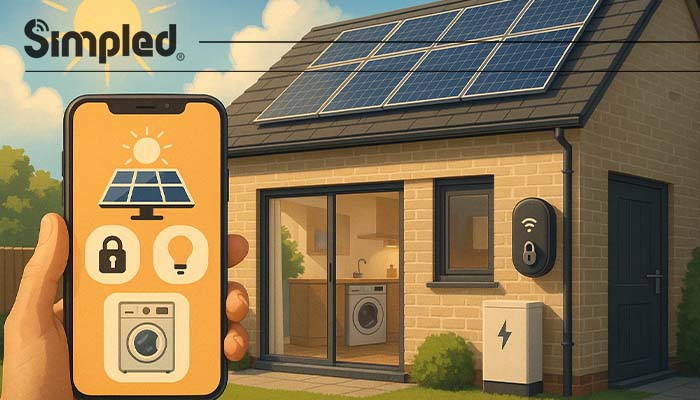
After choosing the best idea, you can start the best smart home system for your home. In our blog section, there is a lot of material to complete your information before buying.
Smart Home Automation Setup Tips
Start Small and Build Up
You don’t need a full system from day one. Begin with one category—like security or lighting—and expand as your needs grow.
Prioritise Compatibility
Always check device compatibility with your chosen ecosystem (Alexa, Google, Apple Home, or Matter). In 2026, Matter-compatible devices are the gold standard for seamless integration.
Secure Your Network
Every smart home relies on a stable WiFi network. Protect it with strong passwords, firmware updates, and guest network separation.
Plan for the Future
Opt for devices that receive regular updates and support new technologies like BLE 5.3 and Matter protocol, ensuring your system stays relevant for years.
Conclusion: Smart Automation for Smarter Living
Smart home automation in 2026 isn’t just about gadgets—it’s about creating homes that think, adapt, and care. From energy-saving thermostats to ultra-secure smart locks, these innovations empower homeowners to live more efficiently and comfortably.
As the UK continues to embrace connected living, brands like Simpled are leading the way with reliable, elegant smart locks and door systems designed for modern life.
The future of home automation isn’t coming—it’s already here.



Leave a Reply