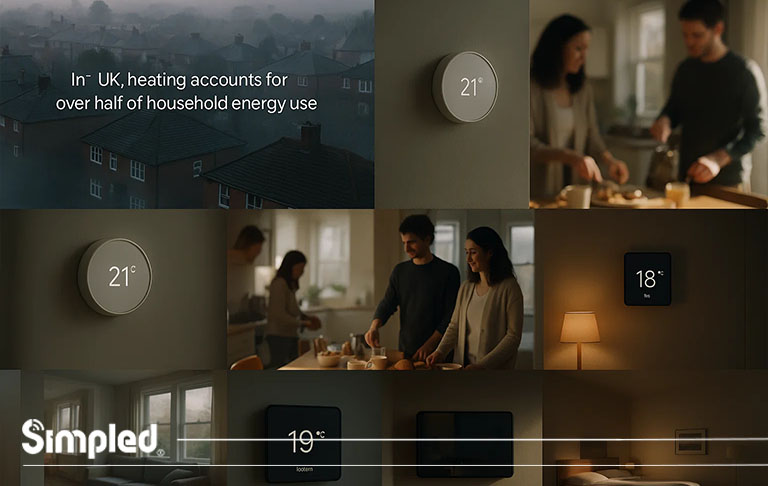
In the UK, where heating makes up a large portion of household energy bills, managing it efficiently can make a big difference. That’s exactly where smart thermostats come in. These intelligent devices don’t just control your heating — they learn your habits, optimize temperature schedules, and help you save money without sacrificing comfort. But what exactly is a smart thermostat, and how do smart thermostats work to make your home more efficient? Let’s break it down clearly and practically.
What Is a Smart Thermostat?
A smart thermostat is a Wi-Fi-connected device that allows you to control your home’s heating system remotely through a smartphone app, voice assistant, or automation system. Unlike traditional thermostats that require manual temperature adjustments, smart thermostats adapt to your lifestyle and make automatic changes based on your routines.
In essence, they bring intelligence and connectivity to your home’s heating system.
Example in Everyday Life
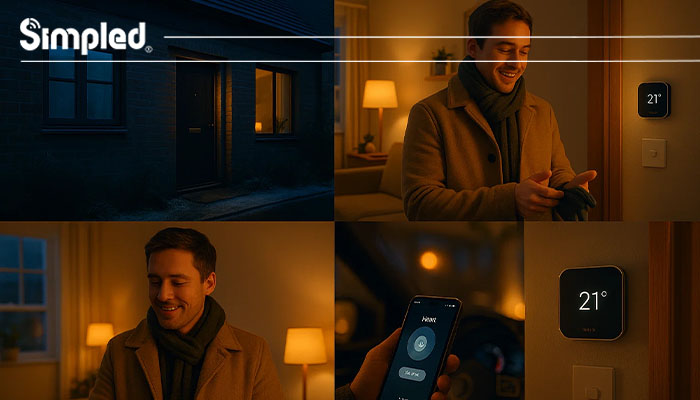
Imagine you’re driving home on a cold winter night. With a traditional thermostat, your house stays cold until you arrive. With a smart thermostat, you can open the app, warm your home before you get there, and step into comfort.
How Do Smart Thermostats Work?
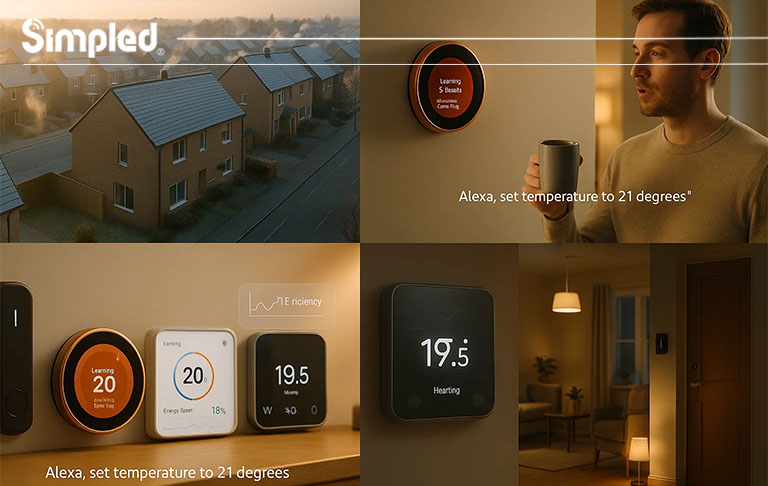
Smart thermostats operate by connecting your home’s heating system (usually a boiler) to the internet via Wi-Fi. You can then manage heating schedules, temperatures, and settings directly through an app or through voice assistants like Alexa, Google Assistant, or Apple HomeKit.
They use a combination of sensors, algorithms, and connectivity to optimize heating efficiently.
Here’s a Step-by-Step Overview:
Sensors detect temperature and movement.
Built-in sensors monitor your home’s temperature and detect when people are present or absent.User preferences are learned.
Over time, the system understands your preferred comfort levels — for instance, keeping the living room warmer in the evening and bedrooms cooler at night.Remote access via app.
You can control your heating from anywhere using your smartphone. Forgot to turn the heating off when leaving? No problem — do it remotely.Integration with other smart devices.
Many smart thermostat systems integrate with voice assistants, smart hubs, or sensors, allowing you to create automation routines (e.g., “Turn off heating when I leave home”).Energy monitoring and reporting.
Smart thermostats often provide insights into your energy usage, helping you make informed decisions to reduce waste and lower bills.
Key Features of Smart Thermostat Systems
Modern smart thermostats go beyond simple remote control. They bring intelligence and automation into your daily life:
1. Adaptive Learning
Some models, like the Google Nest Learning Thermostat, learn your habits automatically and build heating schedules accordingly.
2. Geofencing Technology
The system tracks your smartphone location to adjust the temperature when you leave or approach home — ensuring no energy is wasted.
3. Weather-Responsive Adjustments
Smart thermostats use local weather data to fine-tune heating performance based on external conditions.
4. Multi-Room or Zonal Control
Advanced systems let you control heating room by room, so you can warm occupied areas while keeping others off — ideal for larger UK homes.
5. Integration with Smart Home Platforms
They connect seamlessly with devices like smart plugs, lighting systems, and even smart locks (such as Simpled’s ecosystem) for a fully automated experience.
How Smart Thermostats Save Energy and Money
The real value of smart thermostats lies in energy efficiency. According to UK Energy Saving Trust data, heating and hot water account for over half of household energy costs — making efficient heating a priority.
Here’s how smart thermostats help reduce waste:
Avoid unnecessary heating: Automatically switch off when you leave the house.
Optimize schedules: Heat only when and where needed.
Track consumption: Get detailed energy reports to identify savings opportunities.
Reduce overheating: Maintain steady, efficient comfort levels rather than constant manual adjustments.
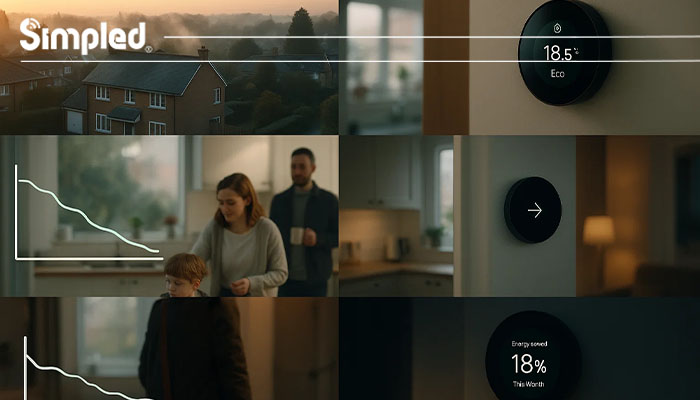
By learning your habits and adapting intelligently, a smart thermostat can help lower your energy consumption by up to 10–20% annually, depending on your usage patterns.
Smart Thermostat Setup and Compatibility in the UK
Before installing one, check compatibility with your boiler type (combi, system, or conventional). Most popular smart thermostats support UK heating systems, but wiring and setup may vary.
Basic Setup Steps:
Check compatibility with your boiler or heating system.
Install the smart thermostat receiver (usually near your boiler).
Connect it to Wi-Fi.
Pair it with the mobile app.
Configure your heating schedule and zones.
Are Smart Thermostats Worth It?
For most UK households — absolutely. Smart thermostats offer:
Better comfort with effortless control.
Lower bills through efficiency.
Remote access and automation.
Sustainability benefits by reducing carbon footprint.
If you live in a home where heating costs are high or schedules vary, a smart thermostat quickly pays for itself through savings and convenience.
Smart Thermostats vs Traditional Thermostats
| Feature | Smart Thermostat | Traditional Thermostat |
|---|---|---|
| Control | App, voice, automation | Manual dial or buttons |
| Scheduling | Adaptive and automatic | Manual input required |
| Energy insights | Real-time reports | None |
| Integration | Works with smart home devices | Standalone only |
| Efficiency | High | Moderate |
Smart thermostats bring modern connectivity to your heating, while traditional ones offer only basic control. The difference in convenience and energy management is significant.
How to Choose the Right Smart Thermostat in the UK
When comparing smart thermostat systems, look for:
Compatibility with your boiler or heating type.
Ease of installation.
App usability and remote control features.
Integration with Alexa, Google Assistant, or Apple HomeKit.
Energy reporting and scheduling flexibility.
Conclusion: The Future of Heating Is Smart
As the UK moves toward greener, energy-efficient homes, smart thermostats are becoming an essential part of modern living. They make heating simpler, smarter, and far more efficient — giving homeowners complete control while reducing energy costs.
Simpled believes in the power of smart home innovation to create safer, more comfortable living environments. From intelligent access systems to connected solutions that enhance energy management, we continue to design technology built for convenience and reliability.
FAQ
1. What is a smart thermostat and how does it work?
A smart thermostat connects to your Wi-Fi and lets you control your heating remotely via an app or voice assistant. It learns your habits to automatically adjust temperatures for comfort and efficiency.
2. Do smart thermostats save money in UK homes?
Yes – by optimizing heating schedules and avoiding energy waste, smart thermostats can cut heating costs by up to 10–20% per year, depending on usage and home size.
3. Are smart thermostats compatible with all boilers?
Most smart thermostats work with combi, system, and conventional boilers in UK homes. Always check compatibility before installation to ensure smooth setup.
4. Can smart thermostats work without Wi-Fi?
They can still function manually without Wi-Fi, but you’ll lose smart features like app control, scheduling, and remote access until connectivity is restored.
5. What’s the difference between smart and programmable thermostats?
Programmable thermostats follow fixed schedules, while smart thermostats learn your routine, adjust automatically, and let you control heating remotely for better comfort and savings.



Leave a Reply