

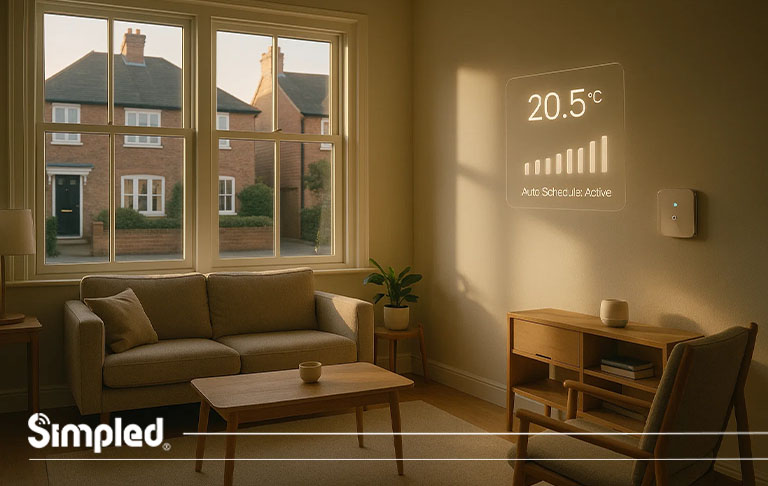
Smart thermostats are no longer futuristic gadgets — they’re fast becoming an essential part of efficient, modern homes in the UK.
With energy prices fluctuating and sustainability on everyone’s mind, many homeowners are asking the same question:
Do Smart Thermostats Save Energy and Money or are they just another tech trend?
Let’s break down how these devices work, what makes them smart, and whether they truly deliver on their promise of energy savings and cost efficiency.
Understanding How Smart Thermostats Work
A smart thermostat is designed to automate and optimise your home’s heating system.
Unlike traditional thermostats, which maintain a fixed temperature until you manually change it, smart thermostats use sensors, Wi-Fi connectivity, and algorithms to learn your habits and adjust the temperature automatically.
Here’s a simple breakdown of how they operate:
- Learning Your Schedule – Smart thermostats track when you’re home, asleep, or away to heat only when necessary.
- Temperature Sensors – They monitor room temperature and humidity in real time for more accurate comfort control.
- Geofencing – The thermostat detects when your smartphone leaves or returns home, adjusting heating accordingly.
- Remote Control – You can manage your heating via a mobile app, even when travelling.
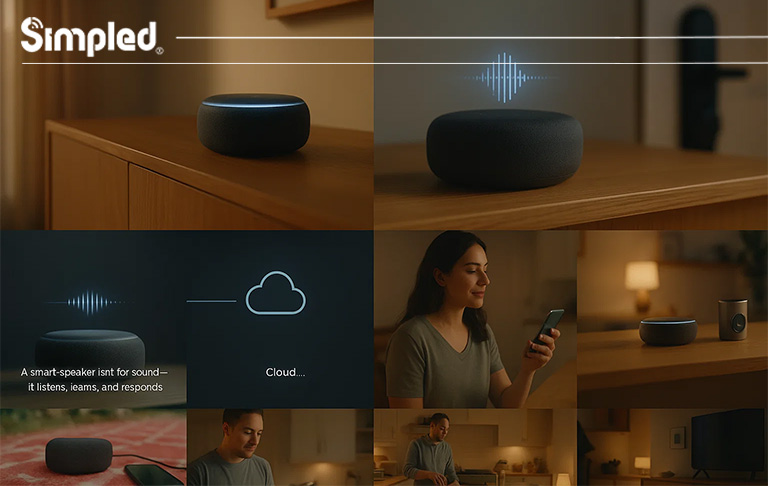
- Integration with Smart Home Devices – Works alongside voice assistants like Alexa, Google Home, or Apple HomeKit.
In short: they save energy by avoiding unnecessary heating — no more warming empty rooms or forgetting to lower the temperature before leaving home.
How Do Smart Thermostats Save Energy?
Smart thermostats are designed around one central goal: efficiency without sacrifice.
Here’s how they reduce energy usage and make your home more sustainable:
- Intelligent Scheduling
Instead of running your heating constantly, smart thermostats automatically set schedules based on your lifestyle.
For instance, they might lower the temperature when you leave for work and warm your home just before you return.
- Adaptive Learning
Devices like Nest or Tado learn your patterns over time — adjusting temperatures to match your comfort levels without wasting energy.
In the UK climate, this adaptability helps maintain warmth during cold mornings while preventing overheating during mild afternoons.
- Energy Reports
Most smart thermostats generate energy usage insights, allowing you to track consumption and spot inefficiencies.
This empowers you to make small changes — like adjusting schedules or improving insulation — that collectively lead to big savings.
- Weather Tracking
Advanced models pull local weather data to adjust heating levels automatically.
So, on a sunny winter day, your boiler won’t work unnecessarily hard — your thermostat knows the sun’s helping out.
- Zone Heating
Some systems let you control different rooms independently.
By only heating occupied spaces, you save energy and improve comfort.
Do Smart Thermostats Actually Save Money?
The short answer: yes — but it depends on how you use them.
In UK households, heating accounts for roughly 55% of energy bills (source: Energy Saving Trust).
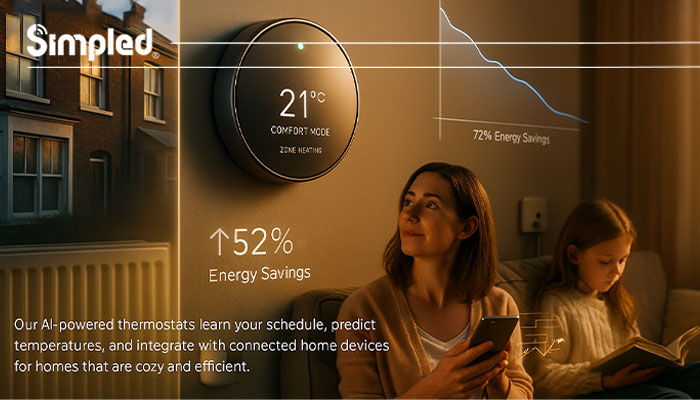
By optimising when and how your heating operates, smart thermostats can cut costs by 10–25% annually, according to various energy studies.
Let’s put that into perspective:
If your average annual heating bill is £1,200, that’s a potential £120–£300 saved per year.
However, real savings depend on factors like:
- The size and insulation of your home
- Your existing heating system’s efficiency
- How consistently you use smart scheduling and automation features
? Pro Tip: Combine a smart thermostat with smart radiator valves for maximum control and efficiency in multi-room properties.
Do Smart Thermostats Work with All Heating Systems?
Most modern thermostats are compatible with gas boilers, combi systems, underfloor heating, and even heat pumps — but not all setups are plug-and-play.
Before buying one, check:
- Compatibility with your boiler model
- Support for heating zones (if applicable)
- Whether a C-wire (common wire) or professional installation is needed
Some brands offer DIY setup, while others may require certified installers — especially for homes with complex systems.
How Do Smart Thermostats Save Energy in Real UK Homes?
Let’s look at a practical example:
Imagine a London household where heating runs from 6 a.m. to 10 a.m., and again from 5 p.m. to 11 p.m. daily.
A traditional thermostat keeps the same schedule even on weekends or mild days.
A smart thermostat, however:
- Detects when the house is empty (and reduces heat automatically)
- Lowers output during milder weather
- Learns weekend patterns to adjust heating later in the morning
- Shuts off heating early if the desired temperature is reached sooner
Over time, these micro-adjustments create noticeable savings without you even realising it — that’s true automation efficiency.
Can Smart Thermostats Save Money in the Long Term?
While the upfront cost (£100–£250) may seem high, the return on investment typically occurs within two years.
The energy savings continue year after year, making it one of the most cost-effective smart home upgrades you can make.
Additionally, as UK homes move toward low-carbon heating (like air-source heat pumps), smart thermostats play a crucial role in balancing comfort and sustainability.
Do Smart Thermostats Require Wi-Fi to Work?
Yes — most smart thermostats need Wi-Fi for remote control and app access.
However, basic functions (like maintaining the last temperature setting) usually continue if your internet goes down.
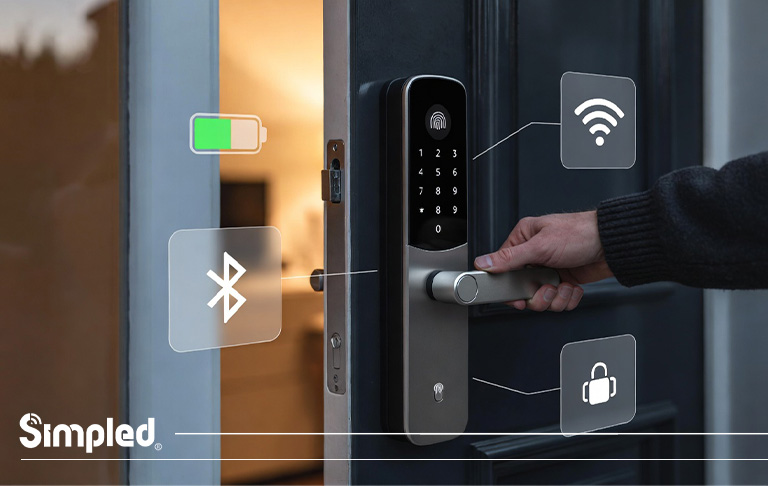
If your Wi-Fi is unstable, consider using a Wi-Fi bridge or mesh system to strengthen your smart home network — similar to how Simpled Smart Locks use BLE technology with optional Wi-Fi bridges for reliable connectivity.
Common Mistakes to Avoid When Using Smart Thermostats
Even the smartest system can’t perform well if misused.
Here are common pitfalls UK homeowners should avoid:
- ❌ Overriding schedules manually too often – Confuses the learning algorithm.
- ❌ Ignoring room insulation – Smart thermostats can’t fix draughty windows.
- ❌ Forgetting software updates – Outdated firmware may reduce efficiency.
- ❌ Using incompatible devices – Always check system compatibility before purchase.
✅ Best Practice: Pair your smart thermostat with energy-efficient locks, lighting, and appliances for a full smart home ecosystem — something Simpled products are designed to support seamlessly.
The Future of Smart Heating in the UK
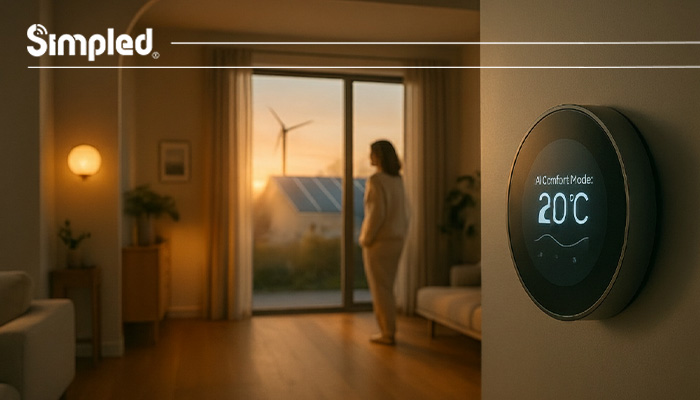
The next generation of smart thermostats will focus on AI-driven climate control — predicting your comfort needs before you even adjust the temperature.
Integration with renewable energy sources and home batteries will make heating not just smarter, but greener.
As Matter becomes a universal standard, smart devices from different brands (like thermostats, locks, and lighting) will communicate effortlessly — creating a unified, intelligent home network.
Simpled’s approach aligns perfectly with this future — offering energy-efficient, BLE-powered best smart locks and accessories that enhance the entire connected home experience.
Conclusion: So, Do Smart Thermostats Really Save Energy and Money?
Yes — when used correctly, smart thermostats are a proven way to reduce energy consumption and lower heating costs in UK homes.
They provide comfort, control, and valuable insights that traditional thermostats simply can’t match.
More importantly, they help create homes that are not only more efficient but also more sustainable — a small yet powerful step toward a smarter future.
And when combined with other automation products like Simpled Smart Locks, you can take your home’s efficiency, security, and convenience to the next level.
FAQ
- How do smart thermostats save energy step by step?
They learn your daily routine, adjust heating automatically, reduce use when you’re away, and optimise temperature based on weather data — cutting unnecessary energy use. - Do smart thermostats actually save money in the UK?
Yes. By preventing energy waste and improving efficiency, most UK homeowners save between 10–25% on heating bills each year with a smart thermostat. - Can I install a smart thermostat myself?
Some models are DIY-friendly, but others — especially with older boilers — need professional installation to ensure safe wiring and full compatibility. - Are smart thermostats worth it for gas heating systems?
Absolutely. Smart thermostats work perfectly with most UK gas boilers, improving efficiency, comfort, and control while reducing overall gas consumption. - How do smart thermostats integrate with other smart home devices?
They connect via Wi-Fi or smart hubs, syncing with systems like Alexa, Google Home, or Simpled Smart Locks for automated routines and energy-efficient living.



Leave a Reply