

Picture this: you walk into your house and it already knows what to do, soft lights lighting the way, the thermostat set to your liking, the background music playing your favorite playlist, and the coffee maker starting its work without uttering a word. That’s not some science fiction dream come true. That’s the subtle geniuses of a smartly selected smart home system. Welcome to the Age of Intelligent Living but How to Choose a Smart Home System? With a deluge of devices, platforms, and fuss in the new technology world, choosing the proper smart home system is like navigating a maze of glowing monitors and tangled cables.
Alexa, Google, or Apple: what do you do? And security, compatibility, or long-term cost. And above all how in the world do you get them all to live together without a degree in technology? Here in this blog, we break the mystery of smart home systems, walking you not just through choosing a setup but the right setup for your life. We’ll walk you through all the important choices with confidence and clarity. Come along to your smarter future. Let’s begin.
Introduction to Choosing a Smart Home System
How to choose a smart home system? This is where innovation can actually make your life easier, more efficient in energy, and safer-all controlled remotely from your phone, voice or home/automated schedules.
But with the enormous existence of brands, standards, and technologies, it becomes very complicated. So, you need to start with a definite consideration of your needs, preferences, and what is home.
Do you require voice control? Is remote access significant for you? Do you need a system to work well on iOS, Android or both? Are you looking for entertainment, security, or energy control?
By asking the right questions first, you can sort through the hype and make smart decisions. In the following sections, we’ll take apart the major elements, compatibility issues, and practical recommendations to help you get the answer on how to choose a smart home system. That’s not just “smart”, but useful for you.
Why Choose a Smart Home System?
With you in control, simple tasks are effortless. Here are different reasons to choose and have a smart home system:
- Convenience
- Controlling lights and appliances
- Possible to set with your voice and smartphone
- Available at anywhere and anytime
- High security
- 24/7 monitoring system
- Smart camera and doorbell or sensors
- Sending real time notifications
- Energy efficiency
- Decrease your utility bills
- Customizable
- Remote access
- Future smart innovation

Key Considerations before Buying a Smart Home System
Either process, having a defined purpose will direct your decision-making and make certain your investment supports your everyday life. Note that customer service is normally overlooked but mandatory.
Choosing a brand with responsive technical support and fast response service will be the difference-maker if something goes wrong or needs debugging. Here are the most important considerations before buying a smart home system:
- Compatibility (working well with other devices and platform)
- Upgrading easily
- Ease of use
- User friendly apps
- High level security
- High level privacy
- Good budget
- High level connectivity
- Having good customer support in case of technical problems
Understanding Your Needs for a Smart Home System
The first consideration is how big and organized your house is. Do you need remote access when you are not at home? These help determine what kind of system will actually be beneficial and convenient to your life.
Besides these options, you must know your needs exactly. Keep on reading for further information.
How to Assess Your Home’s Requirements
Are your light switches dimmer-smart compatible? Is there a central heating and air system that will permit smart thermostat integration? This realistic analysis will make your smart home system functional and easy to fit into, in line with the physical and technical limitations of your home.
Gather full information about how to choose a smart home system and check out your home’s requirements. If you want to complete your smart home system with a smart thermostat, visit the best smart thermostat page to get all the information you need
Smart Home Features: What Do You Need?
Prior to diving into smart home systems, it is advisable to establish what you really need based on your way of life. While the market is filled with high-end devices and integrations, prioritizing needs prevents over-expenditure and ensures your system has a functional purpose.
They require total security protection, comfort, or power savings. Ask yourself: do I require my system to manage every day habits, increase safety in the home, or minimize power usage?
Based on your answer, some smart features that you must consider are as follows:
- Remote Access: Remote command from any place using smartphone apps.
- Smart lighting: Control lights, brightness, choose scenes and automate schedules
- Climate control: Thermostats and sensors to set temperature automatically
- Home safety: smart door lock, doorbells, cameras and motion sensors
- Voice assistants: Using Alexa, Good Assistant and Siri to control devices
- Energy monitoring: Checking energy usage and getting offerings to save energy
- Smart appliances: Remote control and automatic capability of different devices like coffee machines
What Devices Are You Looking to Control?
All mentioned devices in the previous part will be a control system. You must control your door lock, security camera, doorbell, technical devices etc. Generally, choosing devices to control depends on your lifestyle and budget.
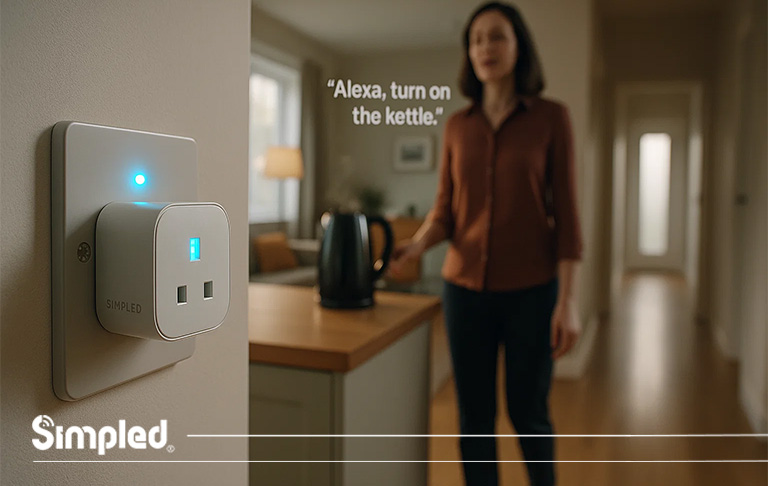
Another best-selling entry is smart plugs, which convert any standard appliance into a smart appliance by allowing remote on-off switching.
Types of Smart Home Systems Available in the UK
The UK smart home market has a plethora of systems to suit various needs, budgets, and levels of technical expertise. They are ideal for bigger homes or for those users who want more sophisticated routines, scene creation, and security-focused features.
The majority of UK top-selling smart devices—from Philips Hue bulbs to TP-Link smart plugs—work with these systems and are simple to set up without any complex wiring.
In addition, with the introduction of Matter, a new interoperability standard, cross-brand integration is supported by more UK systems, and it is simpler than ever to mix and match devices and yet have integrated control with a single app or voice assistant.
Hub-Based vs Hubless Smart Home Systems
There are 2 types of smart home systems like Hub-Based and Hubless Smart Home Systems. Hub-based systems are suitable for large homes with many devices and offer more automation and device control.
It often supports Zigbee or Z-Wave devices for local control. On the other hand, the hubless System has no hub required. Check out the chart to compare the hub-based and hubless system:
| Feature | Hub-based system | Hubless system |
| Set up process | Moderate to advanced | Beginner- friendly |
| Device control | Local and remote | Cloud dependent |
| Automation power | High | Moderate |
| Cost | Higher | Lower initial investment |
| Expandability | High | Medium |
Popular Smart Home Platforms in the UK
In the United Kingdom, there are several leading smart home systems that vie for consumers, all with different features and compatibility with a large number of devices.
These most used platforms include Amazon Alexa, Google Home, and Apple HomeKit, all with the best user-friendly interfaces and powerful voice control features.
Amazon Alexa boasts an extensive network of supported third-party devices, thus ideal for mixed-brand smart homes. Google Home integrates tightly with Android and Google services, but Apple HomeKit is the choice for those who want more privacy and an otherwise closed-off system.
Samsung SmartThings and IFTTT (If This Then That) are also worthy platforms that offer more extreme automation possibilities and customizable routines between many various apps and services.
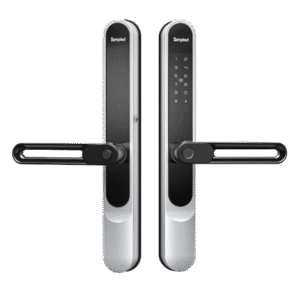
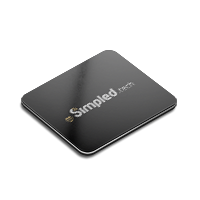
Simpled, a leading UK smart home brand, is designed to integrate easily with leading platforms like Amazon Alexa and Google Home, giving users freedom and convenience.
Whether you’re adding smart locks, doorbell camera, or motion sensors, Simpled includes the compatibility with platforms UK homeowners already know and trust. This enables you to use your voice or smartphone to control Simpled devices, schedule routines, receive instant notifications, and even have other smart devices incorporated.
All of this can be done on your preferred platform. This level of integration makes Simpled an ideal choice for anyone who desires to achieve a smart home that can easily blend into their existing lifestyle.

Choosing between DIY vs Professional Installation
DIY offers more control, convenience, and cost savings, especially with companies like Simpled having user-friendly pre-configured devices. Most DIY systems come with mobile apps, QR code reading for setup, and instructions. Here is the chart of DIY vs professional installation comparison:
| Feature | DIY installation | Professional installation |
| Cost | Lower | Higher |
| Time required | Varies by system complexity | Faster and more efficient |
| Skill level needed | Moderate to high | None |
| Flexibility | High | Limited |
| Customization | Fully by user | By expert |
| Support | App guides, online help or community | In person setup and training |
| Suitability | Best for small homes or tech users | Ideal for large and complex setups |
Smart Home System Compatibility
Some devices and platforms support shared standards, such as mobile app compatibility (for phone control). Compatibility is one of the key considerations and important features of smart home systems.
Users cannot ignore this option since compatibility affects other features like convenience and usage process. They can thus build their smart home incrementally without worrying about device mismatch or system failure.
Are Your Devices Compatible with Smart Home Systems?
Not all current tech can be easily integrated. Verify if your devices:
- Are Wi-Fi-supported or need a third protocol such as Zigbee or Z-Wave
- Can be controlled with apps or voice assistants.
In case of making more compatibility between these devices and smart home systems, you can require a hub or can connect directly. Future integration becomes simpler when you start to construct upon a known ecosystem, so checking for device compatibility ahead of saving time, money, and frustration later on.
Future-Proofing Your Smart Home System
In order to future-proofing your smart home system, the best choice is to spend on systems and devices that adopt open standards, namely the Matter protocol, a new, industry-agreed standard developed by Apple, Amazon, Google, and others. As Future-proofing tips you must choose products with firmware upgrade features, so they can evolve with time. Also, choose hardware that is platform-agnostic and look for companies that provide support for multiple ecosystems.
Budgeting for a Smart Home System
A smart home is as expensive or as luxurious as you desire. Regardless of whether you want a basic installation of some automated lights and smart plugs or an end-to-end integrated system controlling security, climate, and entertainment, it is critical to have a particular budget.
Start by identifying the most critical features to you and allocating your budget accordingly. Remember that investment in high-quality devices from established organizations may pay dividends down the line by reducing compatibility issues and replacement expenses.
Security and Privacy Considerations
Every single smart device you install as a possible point of entry for hackers, so secure systems are paramount. Remember, a completely “smart” home does not just protect your comfort but your personal information too.
Protecting Your Data and Privacy
Your smart home system accumulates a great deal of information, habits of use, security video, and even location. Home automation devices are more and more being designed with privacy taken into consideration, not added on as an afterthought.
This “privacy by design” ethic is secure treatment of data across the product life cycle and emphasizes transparency and user control. Rather than storing all your information on cloud servers, look for devices that offer local storage through SD cards or NAS.
That way, sensitive recordings and logs remain in your hands and are less vulnerable to breach. Advanced augmented‑reality software such as Privacy Plumber allows individuals to see just how much information their intelligent devices leak and when.
Ensuring the Security of Your Smart Home System
Install a secure router with in-built firewall defense, and have alerts set up for suspicious login attempts or activity. Segmentation of your home network by restricting a smart device Wi-Fi to a separate Wi-Fi network can prevent potential breaches from being released to your personal computers or smartphones.
Integrating Smart Locks into Your Smart Home System
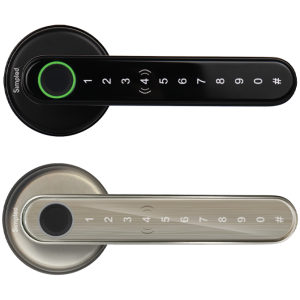
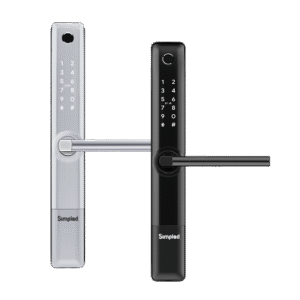
Adding cameras and alarms, digital door locks bring a full solution to protecting your home. You can choose smart locks which are easy to install, works with Alexa, Google Assistant, and Apple HomeKit, and keeps your existing keys.
Moreover, some of these locks are very high interoperability with Matter, though some don’t include a physical key option. Following recent reviews of smart locks, you can select emerged the top performer overall, boasting flawless auto-unlock, solid security scores, and wide compatibility.
Do Customers Have Any Concerns About Compatibility or Security?
Yes very often we are asked to look at pictures to do a compatability check before purchase, but often times our 60 day money back gaurentee calms people enough to try it if they are still not 100% sure. Most security questions are around their insurance, which the current rules and regulations are, as long as you still have the insurance approved mechanism in place, insurance companies dont mind what “handle” you fit on top.
Which Smart Home Platforms Do Our Customers Prefer Most?
I don’t think there is a preference for this, but the three most popular are Alexa, Google Home, Apple HomeKit and Smart Things.
How to Integrate Smart Locks with Smart Home Systems?
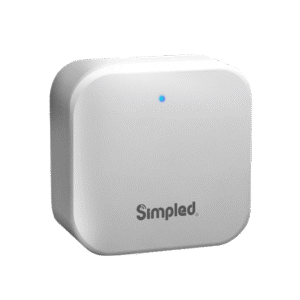
They would need to connect their lock up to the internet using a Wifi Bridge and make sure the bridge they have will be compatible with the smart home system they wish to use.
What Challenges Do Our Customers Face in Smart Home System Integrations?
I’m honestly not sure about this one. I’ve not had anyone come to me about a specific smart home integration problem. Sometimes people struggle to set up and connect the wifi bridge, but our guides nearly always sort that. The only thing to bare in mind, is when setting up a wifi bridge to a router, it has to be 2.4ghz connection, and whilst most internet providors allow you to split the 2.4 and 5ghz connections allowing you to connect to the right one, sometimes thats not possible and the router only supports 5ghz, to get around this customers can use a directly wired in wifi bridge rather than the wireless ones.
Conclusion
In this article we have explained completely about how to choose a smart home system. Take the Leap towards Your Intelligent Home Tomorrow by choosing the right smart home system.
Select Simpled to experience a smart life. Simpled products combine ease of use, broad compatibility with leading platforms like Amazon Alexa, Google Home, and decent customer support, all required for seamless smart home experience.
Whatever you require to manage lighting, protect your home, or automate everyday devices, Simpled offers smart but simple solutions that integrate perfectly into your lifestyle.
This brand makes smart home dreams not only possible; they’re a breeze to reach. Step boldly into the future and make your home truly smart with Simpled.
Frequently Asked Questions
- What Should I Consider When Choosing a Smart Home System in 2026?
Look for compatibility with smart locks (e.g Simpled), Alexa/matter support and ease of use for UK homes when choosing a system. - Are All Smart Home Systems Compatible with Smart Locks?
Most 2026 systems like Alexa or Google Home work with smart locks (e.g Yale), but check for Matter or Z-Wave compatible in the UK. - What’s the Best Smart Home System for UK Renters in 2026?
Systems with retrofit smart locks (e.g August) and portable hubs like Alexa are ideal for UK renters, offering easy setup and removal.



Leave a Reply