

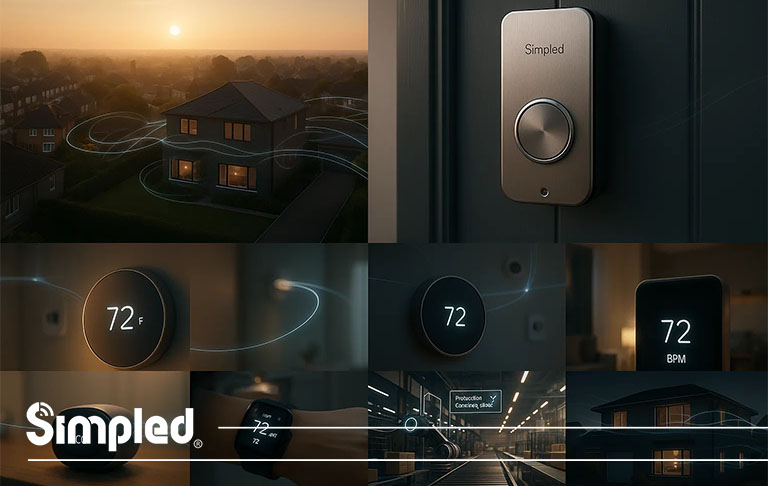
To answer what is the Internet of things, we have to say it is creating a revolution in the way we live. Simply stated, the Internet of things is one idea that connects the physical world with the digital world through data.
Explaining: What is the Internet of Things?
What is the internet of things? Fundamentally, the Internet of Things is the interface of the physical and digital worlds. Connecting the physical world to the Internet through IoT results in a more intelligent and responsive world where data enable greater efficiency, innovation, and enjoyable experiences every day.

What is an IoT device?
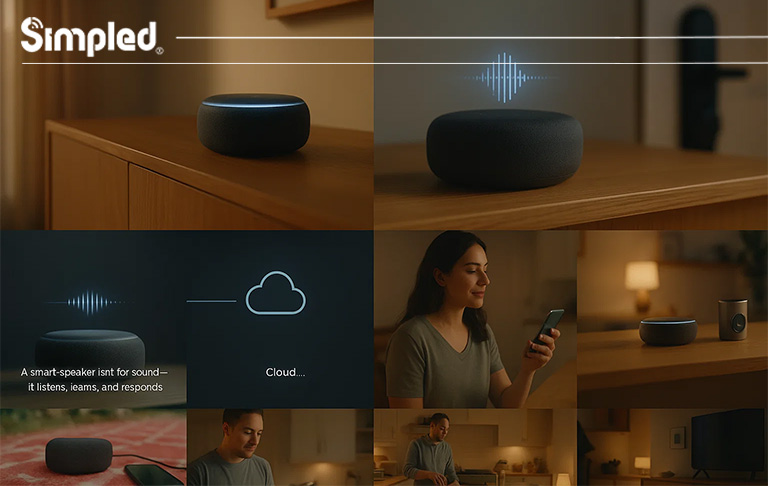
After getting to know what is the Internet of things is, it is time to get familiar with what is an IoT device. IoT heavily depends on sensors. IoT devices always collect information from their surroundings and send it to the cloud or servers for analysis and interpretation. Depending on the set rules and analysis, the IoT device can then take action as required.
IoT devices matter and play an important role in our daily lives, as they help in the reduction of costs and increase efficiency for business organisations and enhance our comfort, safety, and convenience as individuals.
These devices have become more intelligent and secure as IoT technology advances and becomes more ubiquitous in our daily lives.
Components of IoT Devices
An IoT device consists of various components that are essential for its functioning. Understanding these components will give us an idea about IoT devices and their working in real-time applications.
- Actuators
- Processing Unit (Microcontroller or Processor): This is the “brain” of the IoT system.
- Connectivity Module
- Software and Firmware
- Power Source: Some IoT systems use batteries, while others use direct electrical connections. Some IoT systems use energy-efficient power sources such as solar power or energy harvesting.
- Temperature and Humidity Sensors:
- Motion Sensors:
- GPS Modules:
- Smart Cameras:
- Microcontrollers (e.g., Arduino, ESP32)
Wireless Communication Modules: They are the components that facilitate data transmission and give the possibility of remote control, thus allowing real-time monitoring and automation.
How does the internet of things work?
Some IoT protocols use private networks. Once this information has been analysed, it typically allows for either automatic actions to take place or for informed decisions to be made based upon the analysed data; this cycle allows IoT devices to not only communicate with themselves but also to create a network of smart systems that work autonomously with little or no human involvement.
Why is IoT important (why the Internet of things is important)?
What is IoT’s importance? IoT is important because it helps transform information into action. IoT devices are always ready to collect information about the environment, machines, and humans. IoT helps in the automation of devices. In this regard, it helps devices take actions based on the information collected by these devices.
For instance, in a factory setting, the devices are automated to change the production line as needed. In a home setting, it helps in regulating the lights and temperature of the house. Through the installation of smart meters, consumption can be continuously monitored, and industrial sensors can be used to spot the inefficiencies while predictive maintenance is avoiding costly downtime for the equipment.
Hence, businesses are experiencing lower operating costs and higher profits. Here are other reasons for IoT importance these days.
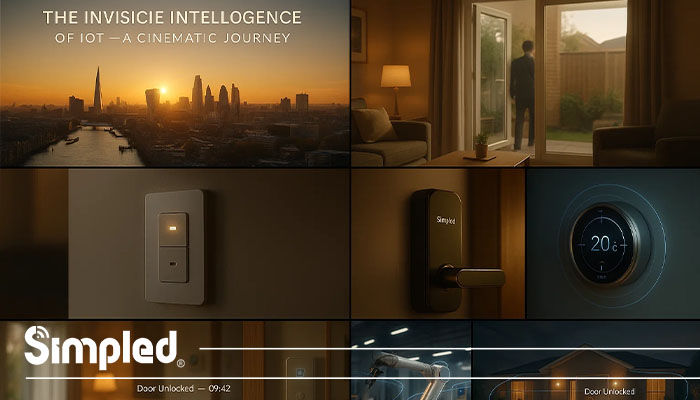
Improved Quality of Life
IoT makes our lives easier by:
- Creating safer, healthier, and more comfortable environments
- Using wearable health devices to monitor vital signs
- Smart homes providing comfort and security
- Connected transportation systems reducing congestion
Better Customer Experience and Personalisation
The integration of IoT technology with companies or user products through production lines, offices, and other processes or systems provides deep insights into customer usage behaviour that may be highly valuable to the customer-facing teams.
The acquired information is the basis for a wide range of electronics and household devices that are easy and enjoyable to use for consumers since they allow automatic adjustments to individual preferences.
So customers are being delighted with personalised experiences which are further steps toward the creation of relationships, brand loyalty, and super fans.
Intelligent Communities & Infrastructure
IoT is transforming how cities use traffic management, waste management, energy distribution, and public safety. Allowing disparate systems to communicate with one another allows for greater efficiency of resources and lower pollution and environmental degradation, thus enhancing living conditions across cities.
Catalysing New Ideas via Digital Transformations
IoT foundation provides the ability for many firms and businesses to implement new business models, smarter products, etc., across many industries, such as the healthcare industry and manufacturing, agriculture, retail and transportation.
With the advances in technology and the convergence of technologies such as artificial intelligence and 5G being connected with IoT technologies, the role of IoT has never been more important.
Data-Driven Sustainability
Monitoring energy consumption, emissions, and environmental conditions enables organisations to be more sustainable by reducing waste, carbon footprint, and more effectively using natural resources, making IoT technology crucial for a more sustainable future.
What Is an IoT Security Threat?
IoT devices generally gather personal or sensitive information like location, health data or usage habits. If this information is not well protected, something awful will happen. This is the big thread of the internet of things.
A common example of this type of security incident is that unsecured medical IoT devices can reveal private information about individual patients and cause interruptions in the delivery of critical medical treatments to those patients.
Also, in a replay attack, criminals record a valid communication between a device and its controller and later resent it to execute unauthorised operations such as opening a lock or altering the settings.
Exposure to this issue has been reported in various consumer IoT products. Many IoT devices consist of multiple vendors’ components and software packages. One of the most seen security threats is the following:
ith long battery life, making them ideal for homes, Airbnb hosts, and small businesses.
The Shadow IoT and Network Exposure Section
The term “shadow IoT” refers to IoT devices that are connected to networks without any kind of formal oversight or management. Many of these unmanaged or undocumented devices might bypass standard security controls, thereby creating open and unmonitored entry points for attackers.
This problem is especially troubling in the area of corporate networks, where large enterprises may unknowingly expose their networks to attack.
What are internet of things examples?
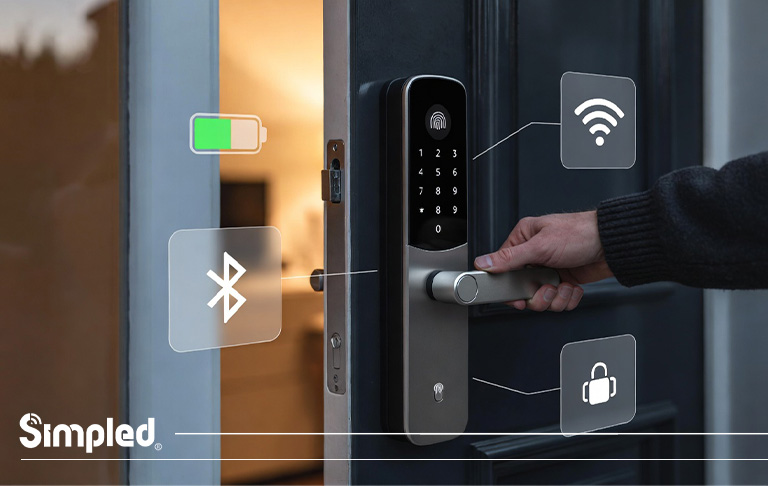
Smart home devices are perhaps the most common examples of the Internet of Things for most people. Smart thermostats, lighting devices, door locks, security cameras, and many other devices connect to your home network. But there are other examples too:
| Example of internet of things | Explanation |
| Wearables and Health Devices | Wearable devices such as fitness bands, smartwatches, and many other devices collect data about your health. |
| Connected Vehicles | The IoT is revolutionizing how we travel. New cars are equipped with sensors and internet connectivity, which enable features such as GPS navigation, getting diagnostic data from the car in real time, receiving maintenance alerts, and even having partially self- driving cars. |
| Industrial facilities and factories | IoT sensors are used to keep track of the functioning of machines, follow production lines and foresee the maintenance requirements so that expensive stoppages can be avoided. |
| Smart Cities | Cities deploy IoT in various ways to improve their infrastructure and public services. |
| Smart Agriculture | Farmers get the help of IoT devices in continuously keeping track of the moisture content in the soil, changes in weather, and the condition of the crops. |
| Remote Health Monitoring | In addition to wearable technology, IoT is being used to provide connectivity for medical devices to monitor patient vitals, alert for medical emergencies, and assist with the management of chronic illness from a distance. |
The Future Of The Internet of Things
Envision a world where billions of items in daily life are not only connected to the internet but also have the capability to think, adapt, and react in ways that have only been possible in science fiction until now.
This is what the future of IoT has in store for us, a smart and interconnected environment that will cover almost all aspects of life, work, and society. As IoT technology advances further, it is expected to have a huge impact in terms of its scope and reach.
Experts predict that in the coming years, there will be a huge increase in IoT devices that will connect to each other and communicate with each other. The most significant change in IoT technology in the coming years is edge computing.
This is a technology that will enable data processing closer to where it is generated, as opposed to processing it in a cloud environment that is located far away. We will mention the estimated future changes in the following:
- A Hyper-Connected World
- Intelligence at the Edge
- Smarter Decisions with AI and Machine Learning
- Faster, More Reliable Connectivity
- Transforming Cities and Society
How has IoT changed the world?
Manpower is no longer required to control things, nor is supervision or guessing necessary. However, one of the greatest impacts on the world is on healthcare. The Internet of Things has connected medical devices and wearables that enable patients to be monitored remotely.
Doctors are able to track patients’ conditions in real time rather than relying on periodic meetings. Predictive maintenance by itself has been the biggest saver of companies’ money by averting unplanned equipment failure.
The ongoing transformation of cities into smart ones is largely due to IoT. By means of real-time IoT tracking, logistics companies can keep a real-time track of shipments, monitor the conditions of storage, and find the best delivery routes, which in turn brought about transparency, fewer delays, and the strengthening of global supply chains.
The technologies that make IoT possible
What is IoT technology? Actuators are then able to take actions based on the data. They are essentially devices that are able to take actions. IoT relies heavily on uninterrupted communication among devices and systems.
Some IoT setups heavily utilise cloud computing for a place to keep the large amounts of data collected from devices. The use of a centralised data centre or cloud to process all IoT data before making decisions creates issues surrounding latency and excessively high bandwidth requirements.
This allows for instantaneous responses, reduced cloud bandwidth, better reliability of communication, and increased functionality for time-sensitive applications such as autonomous vehicles, industrial automation, and medical monitoring.
Security Technologies: Protecting IoT Networks
With the growth of IoT systems, the need to protect these systems becomes extremely important. Such technologies as encryption and device authentication and technologies like Secure Access Service Edge (SASE), to name a few, play an important role in the security of the data being transmitted between devices.
The need for security is to ensure the benefits derived from the use of IoT are not compromised by security threats.
How should businesses approach IoT?
Raw data generated by IoT devices only has limited value; businesses should utilise data analytics and AI or machine learning tools as a means of obtaining actionable insight from this data.
For example: Predictive maintenance in the manufacturing industry is a good way to prevent breakdowns of equipment, while AI-powered customer insight can allow marketers to optimise their campaigns. Businesses must consider these points to approach IoT:
- Having specific goals in the first place
- Choosing the proper IoT devices and technologies
- Data analytics and AI should be incorporated.
- Security and privacy should be the main priority.
- Use pilot projects before full deployment
- Scalability and flexibility should be in the design of your IoT initiatives.
Conclusion
The Internet of Things (IoT) is far more than a mere concept of the future; it’s really changing our lives, the ways we work, and how we relate to the world around us. IoT spans smart homes and wearable health devices to industrial automation and smart city initiatives, linking devices, facilitating insight generation, and empowering more intelligent, quicker, and efficient decision making.
Its possibilities are vast, but understanding the intricacies of IoT a wide range of things from device selection and connectivity to security and data analytics can be quite a challenge for both businesses and individuals.
If your business or home wants to reap the rewards of connected technology, particularly when it comes to connected access and secure living, Simpled UK provides a viable and accessible solution.
As a specialist in digital door lock or smart lock and security systems, Simpled UK enables users to unlock the power of connected technology to improve safety, security, and living. With expertly created smart lock systems, Simpled UK makes it simple for you to unlock the power of connected living without compromising safety and security.



Leave a Reply