

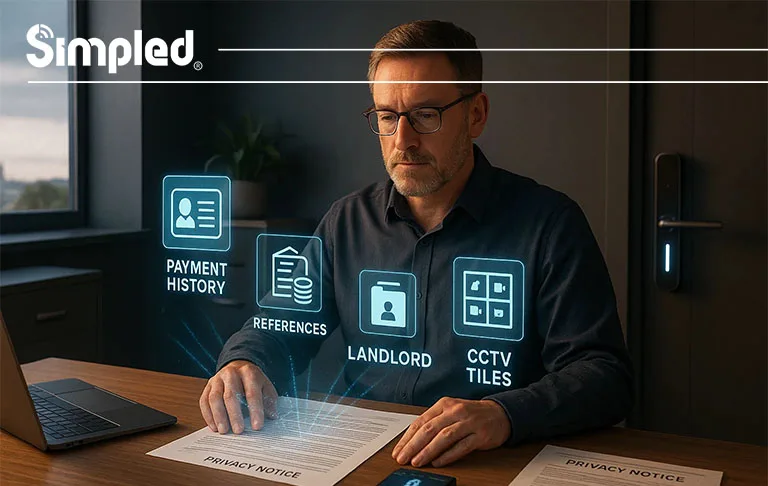
Being a landlord in the UK means handling a surprising amount of personal data—from tenant references and ID documents to rent payment details and maintenance notes. Every time you store or use that information, you become a “data controller” under UK GDPR. That means the way you collect, secure, and share that data carries legal responsibilities.
Many landlords underestimate this. Some don’t realise they need to pay a data protection fee. Others assume GDPR only applies to large companies. In reality, even a landlord with a single property is required to follow data protection rules.
This guide breaks everything down clearly: what landlord data protection means, what UK GDPR requires, how to avoid breaches, and how to stay compliant step by step. Whether you’re a private landlord, an Airbnb host, or managing multiple rental units, this guide will help you stay on the right side of the law—and protect your tenants’ information with confidence.
What Is Landlord Data Protection? (Simple Explanation)
Landlord data protection refers to the legal responsibilities a landlord has when collecting, storing, accessing, or sharing tenant information.
This includes:
- names and contact details
- employment and income details
- bank account and payment information
- references and credit reports
- passport copies or right-to-rent documents
- security information (e.g., door access logs from smart locks)
Under UK GDPR, landlords must process this information fairly, secure it properly, and keep it only for as long as necessary.
In other words, you can’t collect more information than you need, you can’t share it without a lawful basis, and you must protect it from unauthorised access—whether that’s a cyberattack, a poorly secured email account, or even a lost smartphone.

Do Landlords Have to Comply with GDPR?
Yes. Every landlord in the UK must comply with UK GDPR, even if they manage just one property or use an agent.
Landlords are considered data controllers, meaning they decide:
- what tenant data is collected
- why it’s collected
- how long it’s stored
- where it’s shared
If you use a letting agency, both parties share responsibility. The agent acts as a “processor,” but you still must make sure they are GDPR-compliant.
Why GDPR Matters for Landlords
1. To protect tenant privacy
Landlords handle sensitive data like ID documents and banking information. Mishandling this can put tenants at risk of fraud or identity theft.
2. To meet legal obligations
Ignoring data protection laws can result in complaints, fines, or claims from tenants.
3. To build trust
Landlords who take privacy seriously create a professional and transparent rental experience.
4. To avoid costly breaches
A simple mistake—like emailing a contract to the wrong person—can be classed as a breach. Good data practices prevent this.
What Data Do Landlords Collect?
Landlords typically handle multiple types of personal data, including:
- Full name, DOB, contact information
- Right-to-rent documents (passports, visas, ID checks)
- Credit checks and references
- Employment and income details
- Rent payment history
- CCTV footage or smart lock access logs
- Notes about behaviour, complaints, arrears, or maintenance issues
Special category data, such as medical information, must be handled with even more care and requires a lawful basis.

Landlord GDPR Obligations in the UK
This section outlines the key GDPR responsibilities every landlord must follow.
1. Have a Lawful Basis for Collecting Tenant Data
You must have a valid reason to collect personal information. Common legal bases for landlords include:
- Contract – required to prepare or manage the tenancy
- Legal obligation – right-to-rent checks, deposits, safety regulations
- Legitimate interests – referencing, preventing fraud, property security
You cannot collect data “just in case.” Every piece of information must have a purpose.
2. Provide a Privacy Notice
A privacy notice is a document you must give tenants that explains:
- what data you collect
- why you collect it
- how long you keep it
- who you share it with
- how tenants can request or delete their data
A simple one-page PDF or email is often enough.
3. Keep Tenant Data Secure
Protecting data is one of your most important responsibilities.
This includes:
- password-protecting digital files
- storing documents in locked cabinets
- using encrypted email (recommended)
- restricting access only to people who need it
- avoiding sending personal info over WhatsApp or social media
If you use smart home devices such as smart locks or cameras, choose brands that use encryption and secure data storage.
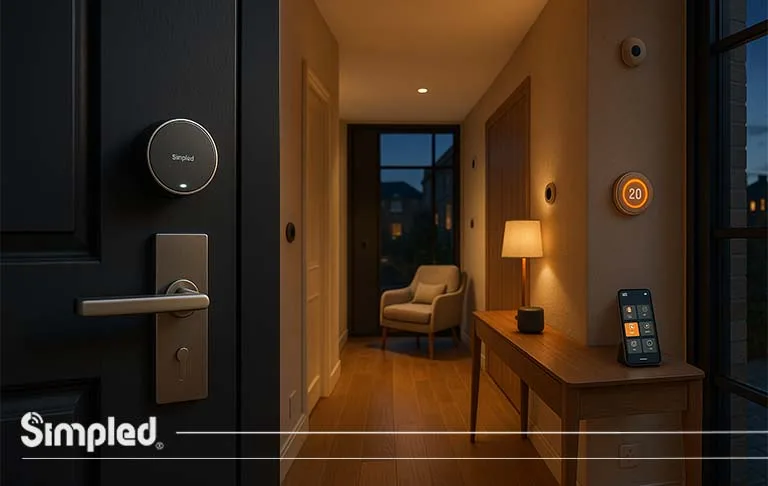
Brand Note: Smart locks such as the Simpled SS Slim or SF Slim allow landlords to manage access without needing physical keys—removing the risk of keys being lost or copied. They also store logs securely, which supports GDPR-friendly access management.
4. Report Data Breaches When Necessary
A landlord GDPR breach can occur if:
- data is accessed by someone who shouldn’t see it
- an email with personal information is sent to the wrong address
- a laptop or phone containing tenant data is lost
- smart lock access logs are exposed
- sensitive documents are disposed of incorrectly
If a breach is serious, you must report it to the ICO within 72 hours.
You should also inform the tenant if the breach puts their rights at risk.
5. Follow Data Storage Limits
You can only keep data for as long as necessary.
Examples:
- right-to-rent documents → must be kept for 12 months after tenancy ends
- tenancy agreements → often stored for 6 years (due to legal limitation periods)
- references or notes → usually only needed during the tenancy
Don’t keep old passports or financial documents longer than required.
6. Allow Tenants to Exercise Their Rights
Under UK GDPR, tenants have the right to:
- access their data
- correct incorrect information
- request deletion (in some cases)
- restrict processing
- object to how data is used
Landlords must respond within one month.
Landlord Data Protection Fee: Do You Need to Pay?
Most landlords must pay a data protection fee to the Information Commissioner’s Office (ICO).
This fee applies even if you only have one property.
Who needs to pay?
You must pay if you:
- store tenant information digitally
- use email to communicate with tenants
- run CCTV at the property
- use smart home systems or access logs
- hold digital copies of ID documents
This covers almost every modern landlord.
Exemptions
You might be exempt if:
- all data is handwritten
- you do not store, send, or view data electronically
- no CCTV or access logs are used
In practice, very few landlords qualify.
Cost of the landlord data protection fee
The fee for most landlords is £40–£60 per year depending on the size of your business.

How to Stay GDPR-Compliant as a Landlord (Step-by-Step Guide)
Step 1: Prepare a Privacy Notice
This is essential and should be sent before signing the tenancy agreement.
Step 2: Secure data storage
- Use strong passwords
- Enable two-factor authentication
- Avoid storing documents on public computers
Step 3: Limit what you collect
Only request information you genuinely need.
Step 4: Use secure communication
Stick to email rather than messaging apps.
Step 5: Pay the ICO data protection fee
This keeps you legally registered.
Step 6: Train yourself or staff
If you manage multiple units or work with assistants, ensure everyone understands GDPR.
Step 7: Regularly review data
Delete what you no longer need.
Step 8: Secure smart home technology
If you provide smart locks or cameras:
- ensure log data is encrypted
- ensure devices use secure networks
- reset codes between tenants
Brand Note: Simpled smart locks allow you to reset access codes instantly, helping landlords protect tenant privacy without changing hardware.
Common Landlord GDPR Breaches (and How to Avoid Them)
1. Sending sensitive documents to the wrong email
Double-check email addresses before sending attachments.
2. Keeping tenant data longer than necessary
Set reminders to delete outdated documents.
3. Sharing tenant information without consent
Never share data with neighbours, friends, or unrelated contractors.
4. Weak password security
Use strong and unique passwords. Avoid keeping them written down.
5. Poor smart home security
If using smart locks, WiFi cameras, or sensors:
- change default passwords
- avoid sharing app logins
- ensure firmware is updated
How Smart Locks Fit Into Landlord Data Protection
Smart locks can improve security but must be used correctly to stay GDPR-compliant.
Key Points to Consider
- Access logs count as personal data
- You may only track when it is necessary
- Tenants must be informed that logs exist
- Logs must be stored securely
- Temporary codes for contractors must be deleted afterward
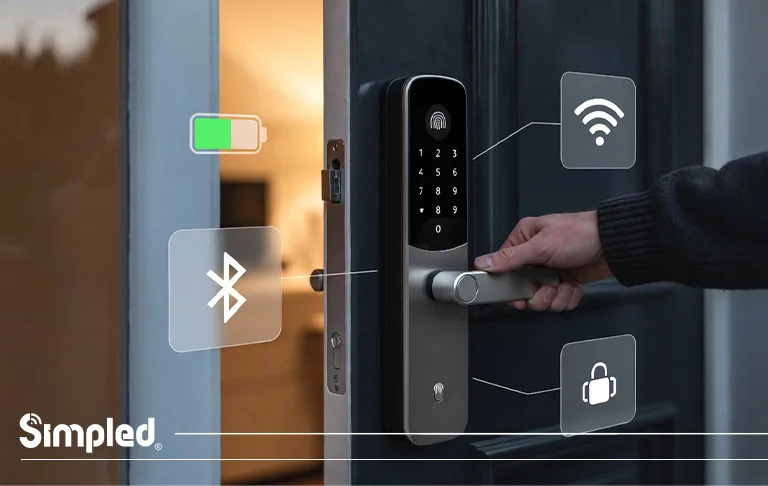
Using BLE-based locks like Simpled models reduces network exposure while still allowing secure access management.
Do Airbnb Hosts Have GDPR Responsibilities?
es. If you run Airbnb or short-term lets, the same GDPR rules apply.
Short-term rentals often involve:
- ID documents
- communication details
- guest access codes
- payment information
- smart lock access logs
Airbnb hosts must also keep data secure and provide privacy information when necessary.
Brand Note: Smart locks such as Simpled SS Slim and SF Slim are popular with Airbnb hosts because they generate temporary access codes that expire after checkout—reducing risk and improving compliance. So you can buy Smart Lock for Airbnb Hosts.
Conclusion
Landlord data protection is a legal requirement—and a practical necessity. Whether you manage one rental or a portfolio of properties, following GDPR helps protect tenant privacy, avoid breaches, and operate professionally.
By understanding your obligations, securing your data, paying the ICO fee, and using modern tools like secure smart locks, you can create a safe and compliant experience for every tenant.
If you’re incorporating smart home security into your rental property, solutions like Simpled’s low-energy, BLE-powered smart locks help landlords maintain strong privacy standards while improving convenience and safety.



Leave a Reply