As we move towards a more connected world, smart locks are becoming an essential part of modern home security systems. These intelligent devices let you lock and unlock your doors remotely, offering convenience, enhanced security, and peace of mind. However, the core technology that drives electronic door lock — Bluetooth, Zigbee, and Wi-Fi—can have a significant impact on your overall experience.
Choosing between these technologies is crucial because each one has its advantages and limitations, especially when it comes to range, energy efficiency, and integration with your home network. Whether you’re considering a smart lock for your home or office, understanding the differences between Bluetooth, Zigbee, and Wi-Fi will help you make an informed decision.
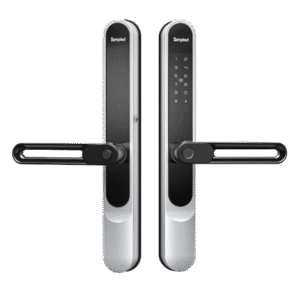
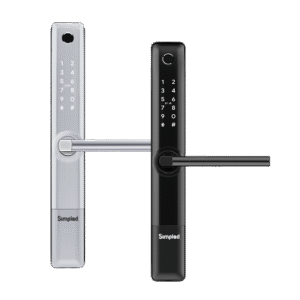
In this article, we’ll break down the key differences between these technologies and highlight how they influence the performance of smart locks, like our SS Slim Smart Door Lock and SF Slim Smart Door Lock (Matte Black). By the end, you’ll know exactly which smart lock technology is right for you.
bluetooth vs zigbee vs wifi (which one is better?)
Bluetooth is one of the most widely used wireless technologies. It’s known for its ease of use and popularity in everything from wireless headphones to smart locks.
Bluetooth: The Short-Range Convenience
Bluetooth is one of the most widely used wireless technologies. It’s known for its ease of use and popularity in everything from wireless headphones to smart locks.
Key Features of Bluetooth:
Short Range: Bluetooth works best in short distances, typically within 30 feet. This makes it ideal for indoor use where you’re in close proximity to your door.
Low Power Consumption: Bluetooth consumes less power than Wi-Fi, making it an energy-efficient choice for battery-operated smart locks.
Direct Device-to-Device Communication: Bluetooth smart locks communicate directly with your smartphone or Bluetooth-enabled devices, without needing a central hub or router.
Ideal For:
Homeowners who want a simple, easy-to-install smart lock without the need for a hub.
Those who don’t mind unlocking their door while physically nearby.
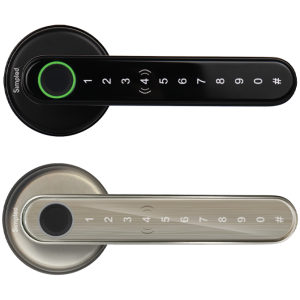
For instance, our Fingerprint Door Handle seamlessly integrates with Bluetooth for instant unlocking, allowing you to quickly access your home with a tap of your finger.
Zigbee: The Smart Home Specialist
Zigbee is a low-power, short-range wireless protocol used primarily in home automation and smart devices. Unlike Bluetooth, Zigbee creates a mesh network, where devices can communicate with each other, extending the range of your smart lock.
Key Features of Zigbee:
Mesh Networking: Zigbee devices communicate with each other to relay messages, so the signal can travel longer distances than Bluetooth without losing strength. This makes Zigbee ideal for larger homes or spaces with multiple floors.
Low Power Consumption: Like Bluetooth, Zigbee is energy-efficient, ensuring that your smart lock lasts longer between battery changes.
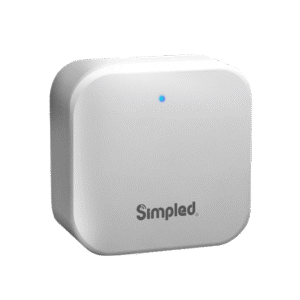
Central Hub Required: Zigbee smart locks require a compatible hub (such as SmartThings or Amazon Echo Plus) to communicate with other devices in your home.
Ideal For:
Users with larger homes or complex layouts who want to extend the range of their smart devices.
Homeowners looking for a reliable, secure smart home ecosystem, as Zigbee is often used in conjunction with other smart home products like lights, thermostats, and sensors.
For example, our SF Slim Series Smart Lock (also known as a smart lock for upvc doors) integrates effortlessly with Zigbee, ensuring your home security is robust and interconnected within a smart home system.
Wi-Fi: The High-Speed, Always-On Network
Wi-Fi is the most common and widely used wireless technology, offering faster speeds and longer ranges than Bluetooth and Zigbee. Many modern smart locks, including the SS Slim Series Smart Lock, leverage Wi-Fi for real-time, remote access via the internet.
Key Features of Wi-Fi:
Long Range: Wi-Fi allows your smart lock to communicate over long distances, making it accessible even when you’re far from home, as long as you have an internet connection.
Fast Speeds: Wi-Fi can transmit data at higher speeds than Bluetooth or Zigbee, ensuring faster response times and more reliable remote control.
No Hub Required: Unlike Zigbee, Wi-Fi-based smart locks don’t need a separate hub to work. They connect directly to your router, making installation straightforward.
Ideal For:
Homeowners who need remote access to their smart lock from anywhere in the world.
Users who want high-speed data transfer and the ability to integrate their smart lock with other Wi-Fi-enabled devices, such as security cameras and smart lights.
The night latch smart lock, for instance, utilizes Wi-Fi to give users seamless, remote access via smartphone apps, allowing you to unlock your door from virtually anywhere.
Comparing Bluetooth vs Zigbee vs Wi-Fi for Smart Locks
Range
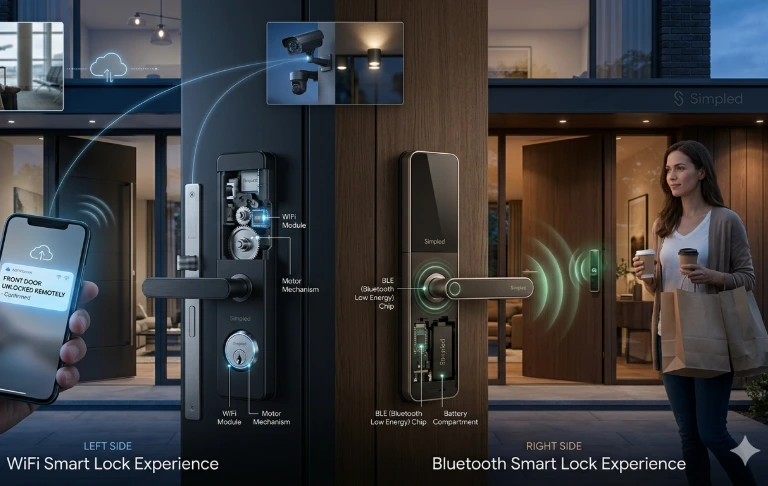
Bluetooth: Typically ranges up to 30 feet. Ideal for close-range access, such as unlocking the door when you’re standing right in front of it.
Zigbee: Uses a mesh network, allowing it to cover a broader area. However, it still generally works best within the confines of a single home.
Wi-Fi: Provides the longest range and can be accessed remotely from anywhere with an internet connection. Wi-Fi is perfect for those who want the ability to lock or unlock their door while away from home.
Energy Efficiency
Bluetooth: Highly energy-efficient and works well with battery-powered smart locks. Bluetooth smart locks typically last longer between battery changes than Wi-Fi-based locks.
Zigbee: Also very power-efficient, making it an excellent choice for locks that need to stay operational for long periods without frequent battery changes.
Wi-Fi: While Wi-Fi offers speed and long-range capabilities, it tends to drain battery life faster than Bluetooth or Zigbee. A Wi-Fi-based smart lock may require more frequent recharging or battery replacement.
Setup and Installation
Bluetooth: Easy to set up and doesn’t require a hub. You simply pair the lock with your smartphone or tablet and you’re good to go.
Zigbee: Requires a hub for setup, which could involve a more complex installation process. However, it offers the benefit of a more extensive network of interconnected devices.
Wi-Fi: Straightforward installation and no additional hub required, but you do need a stable internet connection. Wi-Fi smart locks are typically easy to set up via a mobile app.
Security
Bluetooth: Generally secure, but the limited range means it’s less likely to be intercepted by malicious actors. Still, you should use strong encryption and keep your devices up to date.
Zigbee: Highly secure due to its encrypted mesh network. Since devices relay signals to each other, it’s more difficult for hackers to access your system.
Wi-Fi: While Wi-Fi offers high-speed connections, it can also be a security vulnerability if not properly secured. It’s essential to ensure that your Wi-Fi network is protected with strong passwords and encryption to prevent unauthorized access.
Cost
Bluetooth: Typically the most affordable option for smart locks. It’s a great choice for those looking for a simple, budget-friendly solution.
Zigbee: Often costs a bit more due to the need for a hub and the more complex technology behind it. However, the added expense might be worth it for users who are building a smart home system.
Wi-Fi: Wi-Fi-based smart locks tend to be the most expensive due to their advanced capabilities, high speeds, and long-range access. They’re a good investment for users who want the most convenience and control.
Which Technology is Right for You?
Choosing the right technology depends largely on your needs, your home setup, and your budget.
Choose Bluetooth if you want an easy, affordable solution for basic home security. It’s perfect for users who want a smart lock with a simple installation process and are primarily looking for local access.
Go with Zigbee if you’re building a connected smart home and need reliable, energy-efficient devices that work well together. Zigbee is a great option for users with multiple smart devices in their home who need an extended range and mesh networking.
Opt for Wi-Fi if you need remote access and want the flexibility of controlling your lock from anywhere, anytime. Wi-Fi is the best choice if you’re looking for speed and integration with other Wi-Fi devices in your home.
Conclusion: Finding the Best Smart Lock Technology for Your Needs
Whether you choose Bluetooth, Zigbee, or Wi-Fi, each smart lock technology offers distinct advantages, depending on your specific needs. If you want a smart lock that combines style, security, and convenience, look no further than our SS Slim Series Smart Lock or SF Slim Series Smart Lock (Matte Black), which offer excellent integration with both Zigbee and Wi-Fi.
Ultimately, the best choice will depend on factors like your home’s layout, your desire for remote access, and how much you’re willing to spend on additional hubs or devices. Each technology has its pros and cons, but with the right setup, a smart lock can make your home safer, smarter, and more convenient than ever before.




Leave a Reply