
Biometric security has quietly moved from science fiction into everyday life. What once felt futuristic—unlocking doors with a fingerprint or face scan—is now part of how many homes, offices, and smartphones operate. From biometric smart locks to mobile banking authentication, this technology promises a safer, simpler way to protect what matters most.
But like any security system, biometric security is not perfect.
In this guide, we’ll take a balanced, practical look at the advantages and disadvantages of biometric security, explore real-world use cases (especially smart locks), and examine legal and ethical considerations in the UK. Whether you’re considering a biometric smart lock for your front door or simply want to understand how this technology works, this article will help you make an informed decision.
Advantages of Biometric Security
Enhanced Security with Biometric Authentication
One of the biggest advantages of biometric security is that it relies on who you are, not something you own or remember.
Traditional security methods—keys, PINs, cards—can be lost, stolen, duplicated, or guessed. Biometric authentication uses unique biological traits such as:
Fingerprints
Facial recognition
Iris or retina patterns
Voice recognition
These characteristics are extremely difficult to replicate accurately, making biometric systems far more resistant to common security breaches.
Real-world example:
A stolen house key gives instant access. A copied fingerprint does not. Even high-quality replicas usually fail due to liveness detection built into modern biometric systems.
From a security perspective, this shift dramatically reduces the most common causes of unauthorised access.
Convenience and Ease of Access
Biometric security is not just safer—it’s faster and more convenient.
Instead of:
Searching for keys
Remembering PIN codes
Resetting forgotten passwords
You simply place your finger or look at the device.
This is particularly valuable in daily routines:
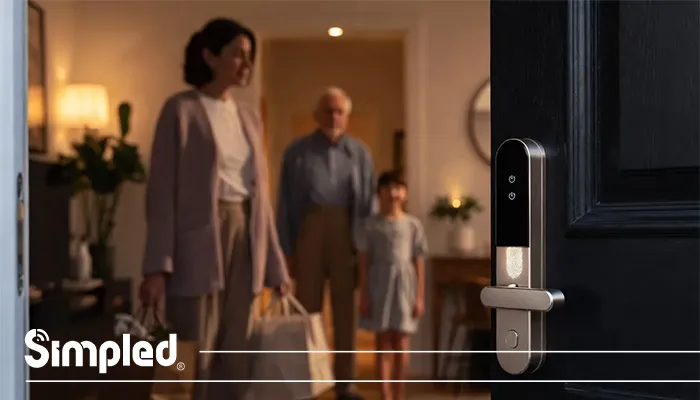
Carrying shopping bags
Letting children or elderly family members enter the home
Granting quick access to trusted users
Expert tip:
Homes with multiple users benefit greatly from biometrics because access doesn’t rely on sharing keys or codes.
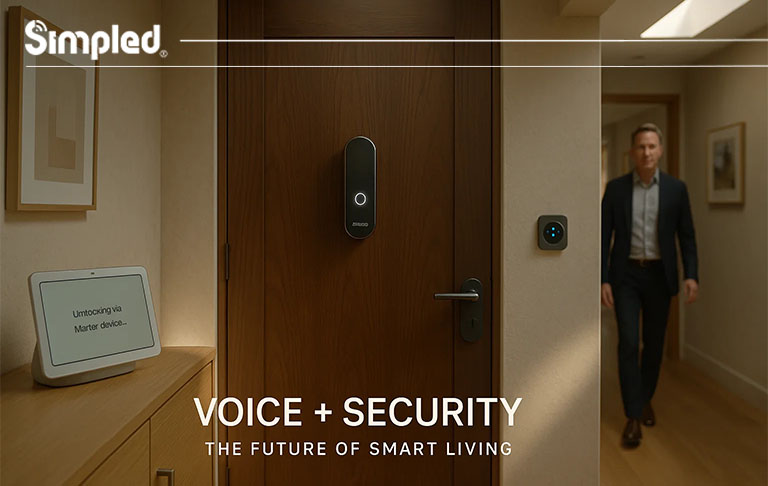
Biometric Smart Locks: The Future of Home Security
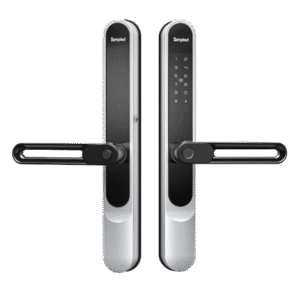
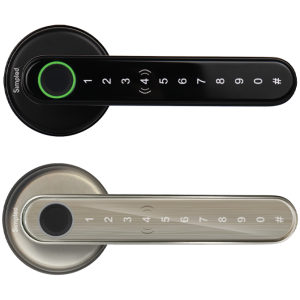
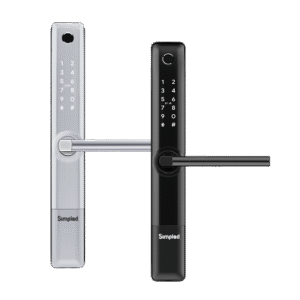
Biometric smart locks represent one of the most practical applications of biometric technology today. They combine fingerprint recognition with smart features such as:
App-based control
Temporary access for guests
Activity logs
Remote locking and unlocking
From our experience designing smart locks around real customer pain points, biometric access dramatically improves both security confidence and daily usability.
Reduced Risk of Theft and Unauthorized Access
Because biometric data cannot be casually shared or stolen like a key, the risk of unauthorised entry is significantly reduced.
This is especially important in:
Rental properties
Airbnb or short-let homes
Offices with frequent staff changes
With biometric systems:
Access can be granted or revoked instantly
Lost keys are no longer a security emergency
Entry attempts are logged digitally
This level of control is simply not possible with mechanical locks alone.
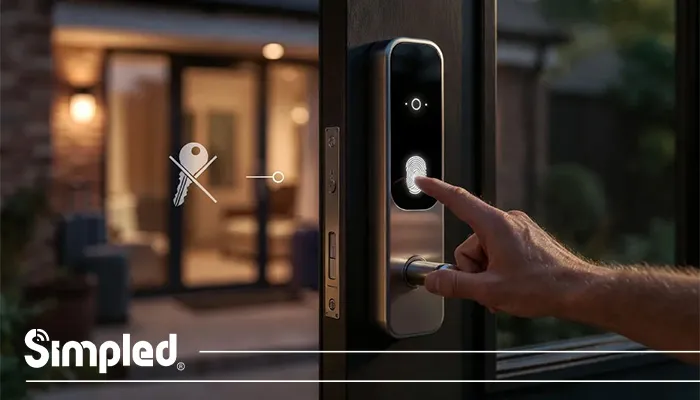
Eliminating the Need for Physical Keys
Keys are one of the weakest points in traditional security systems. They can be:
Copied without permission
Lost in public places
Forgotten inside the house
Biometric security removes this vulnerability entirely.
For homeowners, this means:
No emergency locksmith calls
No spare keys hidden outdoors
No rekeying after lost keys
It’s a small change that removes a surprising amount of stress from everyday life.
Disadvantages of Biometric Authentication
Despite its benefits, biometric security is not without drawbacks. Understanding these limitations is essential before adopting the technology.
Privacy Concerns with Biometric Data
Biometric data is deeply personal. Unlike a password, you cannot change your fingerprint or face if data is compromised.
Common privacy concerns include:
How biometric data is stored
Who has access to it
Whether data is stored locally or in the cloud
Best practice:
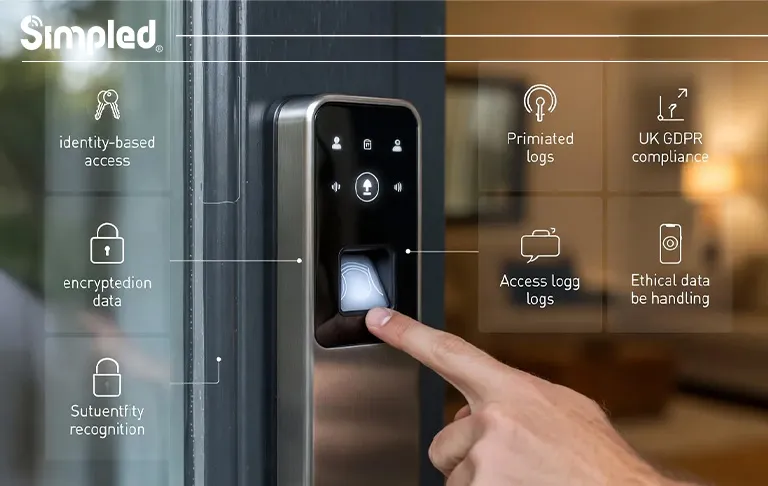
High-quality biometric systems store fingerprint data in encrypted form locally on the device, not on remote servers.
This significantly reduces privacy risks.
Risk of Data Breaches and Hacking
While biometric traits are hard to fake physically, digital systems can still be targeted.
Potential risks include:
Poor encryption standards
Insecure mobile apps
Weak network protections
That’s why reputable biometric smart lock manufacturers invest heavily in:
Encrypted data storage
Secure communication protocols
Regular firmware updates
Common mistake to avoid:
Choosing low-cost biometric devices without clear security certifications or update policies.
High Cost of Biometric Security Systems
Compared to traditional locks, biometric systems typically cost more upfront.
Factors affecting cost include:
Sensor quality
Build materials
Smart integrations
Software development and maintenance
However, the long-term value often offsets the initial price through:
Reduced locksmith expenses
Improved security
Added convenience
When evaluating cost, it’s important to consider total ownership value, not just purchase price.
Inaccuracies and False Rejections in Biometric Systems
No biometric system is 100% flawless.
Common issues include:
Wet or dirty fingers
Minor injuries or cuts
Very cold weather affecting fingerprint recognition
Modern biometric smart locks address this by offering:
Multiple enrolled fingerprints
Backup access methods (PIN, app, key)
Expert tip:
Always choose systems that provide at least two alternative unlocking methods.
Dependence on Technology and Risk of Malfunction
Biometric security systems rely on electronics, which introduces potential risks:
Battery depletion
Sensor malfunction
Software bugs
Quality smart locks mitigate this with:
Long-life batteries
Low-battery alerts
Emergency power options
Biometric Smart Locks: Pros and Cons
Advantages of Using Biometric Smart Locks
Biometric smart locks combine the strengths of biometrics with smart technology.
Key advantages include:
Fast, keyless entry
Personalised access for each user
Activity logs for transparency
Seamless integration with smart home systems
From a design perspective, modern biometric locks also prioritise aesthetics—something increasingly important for UK homeowners.
Disadvantages of Biometric Smart Locks
Despite their advantages, biometric smart locks may not suit everyone.
Potential drawbacks:
Higher upfront cost
Learning curve for less tech-savvy users
Dependence on batteries
These issues are manageable with proper installation, setup, and user education.
Comparing Biometric Smart Locks with Traditional Locks
| Feature | Traditional Locks | Biometric Smart Locks |
|---|---|---|
| Security | Moderate | High |
| Convenience | Low | Very High |
| Key Management | Required | Not needed |
| Access Control | Limited | Advanced |
| Smart Integration | None | Full |
For many homeowners, biometric smart locks represent a clear upgrade rather than a replacement without benefits.
Biometric Security in the UK: Legal and Ethical Issues
Legal Concerns Around Biometric Data Storage in the UK
In the UK, biometric data is classified as special category data under the UK GDPR.
Key legal considerations:
Explicit user consent
Secure storage and encryption
Clear data usage policies
Any biometric system used in the UK must comply with strict data protection standards.
Ethical Considerations in Biometric Security
Beyond legal requirements, ethical questions remain:
Is data collection transparent?
Can users delete their biometric data?
Is access fairly managed?
Responsible manufacturers design systems that prioritise user control and transparency.
The Future of Biometric Security and Smart Locks
Emerging Trends in Biometric Security
Biometric technology continues to evolve rapidly. Emerging trends include:
AI-powered liveness detection
Multi-factor biometric authentication
Faster, more accurate sensors
These improvements reduce false rejections while increasing security.
The Role of Biometric Smart Locks in Smart Homes
In smart homes, biometric locks act as a central security layer:
Triggering lights when doors unlock
Integrating with alarms and cameras
Supporting remote management
This creates a more responsive and secure living environment.
How Biometric Smart Locks Are Revolutionizing Home Security
Biometric smart locks shift security from objects to identity. Instead of protecting a key, you protect access itself.
This change is redefining what homeowners expect from modern security—not just protection, but intelligent control.
Conclusion
Weighing the Pros and Cons of Biometric Security
Biometric security offers:
Strong protection
Exceptional convenience
Modern access control
But it also requires careful consideration of privacy, cost, and reliability.
When implemented responsibly, biometric security is not just safe—it’s transformative.



Leave a Reply