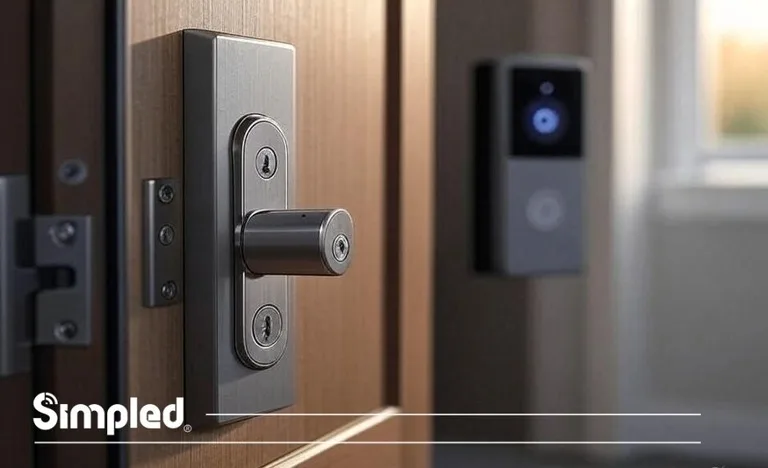
Intelligent Security with Silent Power. Welcome to the quiet revolution of Z-Wave door locks—a modest addition with far-reaching impact on modern home security. While most are accustomed to conventional door locks or even smart door lock over Bluetooth and Wi-Fi, Z-Wave is a lesser-known but very potent technology that links up your smart devices in your home as an unseen web. What is Z-wave door lock? It’s not merely about locking and unlocking your door—it’s about making your home smart, secure, and linked up. In this blog, we’ll break down what Z-Wave door locks are, how they work, why they’re different, and whether they might be the perfect smart upgrade for your home. Even if you’re not tech-savvy, don’t worry, we’ll keep things simple, clear, and practical.
Understanding Z-Wave Technology
What is Z-wave door lock? Think of walking out of your house and locking your door with a click on your phone—no keys, no dash, no stress. Or think about being on holiday, miles from home, yet able to see if your door is locked, and even unlock it for a family member who has left without their key. Let’s get more familiar with this modern technology.
How Does Z-Wave Work?
Have you ever thought about how your smartphone or voice assistant sends a command (“lock the front door”). This is the main working process of Z-Wave door lock. The most important thing about the Z-Wave working process is its mesh network.
More robust signal coverage across your entire home via this network. More reliable, even through walls or from floor to floor is available. Also, no need for each device to be close to the hub.
Z-Wave vs. Other Smart Home Protocols
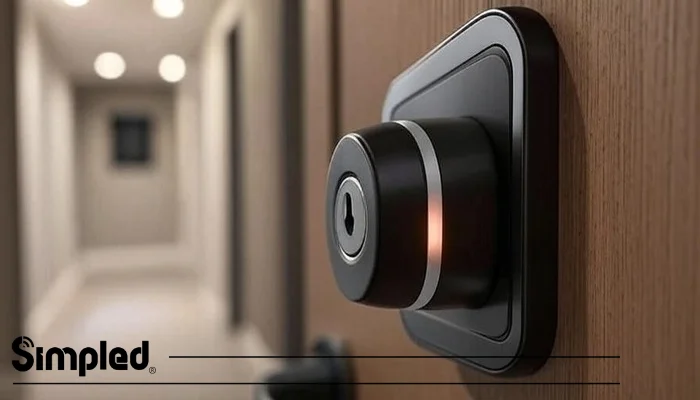
Z-Wave differs from other smart home communication systems like Wi-Fi, Bluetooth, and Zigbee due to its low power consumption, extended-distance signal, and mesh network capability.
Compared to Wi-Fi, which tends to become congested and will drain battery-powered devices in no time, Z-Wave boasts interference-free connections with a sure radio frequency.
Compared to Bluetooth, Z-Wave boasts remote control and automation, unlike short-distance access. Consider other differences via the below chart:
| Feature | Z-Wave | WiFi | Bluetooth |
| Range | Up to 100 m | Up to 50m | ~10 m |
| Power use | Very low | High | Low |
| Network type | Mesh | Centralized | Point to point |
| Internet needed | No | Yes, for most features | Not always |
| Speed | Medium | Fast | Medium |
| Interference risk | Very low | High | Low |
| Hub required | Yes | No | Optional |
| Ideal for | Smart homes with hubs | Quick setups, casual use | Local control |
Features of Z-Wave Door Locks
Let’s examine more closely what is Z-Wave door lock and what are its important features.
Keyless Entry and Remote Control
You open the door using a keypad, a smartphone app, or even voice command. Most Z-Wave locks allow you to input multiple unique codes, perfect for Children coming home from school, Housekeepers or dog walkers, Airbnb guests with timed entry. These capabilities are also why similar systems are widely used in hotel smart locks, where secure, time-based access for guests and staff is essential.
Z-Wave locks enable you to lock or unlock your door remotely using a smartphone or tablet (as long as your system is equipped with a Z-Wave hub). For example, you’re in the office and your neighbor is asking to borrow something.
You don’t have to rush home; open the door from your phone. Going on a trip for vacation? Program an automation so that the door automatically locks every night at 9 PM in case someone forgets.
Enhanced Security and Encryption
Have you ever thought about real-time alerts when someone enters or attempts to tamper with the lock? The number one reason most individuals upgrade to smart door locks—and Z-Wave is lacking in none—is security.
The locks boast bank-level encryption and secure communication, ensuring you that your home is secure at all times. Z-Wave is secure because:
- AES-128-bit encryption – Same level used by banking and military networks
- Individual device pairing – Each lock pairs only with your own personal hub, not random devices nearby
- Tamper alerts – When someone tries to pry the lock open or remove it, you get an instant alert
- Emergency key override – Most Z-Wave locks have a standard key left for emergencies
- Two-factor command verification – Some locks require more than one action or authentication before they can be opened remotely
Integration with Other Smart Devices
One of the most significant advantages of Z-Wave locks is the way they just integrate with the rest of your smart home. They don’t just lock and unlock—they trigger actions across your entire home system.
It locks the door and turns off all the lights when you’re leaving or unlocks the door and turns on the hallway light at night. Turning off the security alarm when the proper user code is input can be another option.
Advantages of Z-Wave Door Locks
This door lock has some features like integration gives security, convenience, and smarter living in a convenient package. We will explain more about these pros.
Convenience and Flexibility
Whether you have a hectic home or an Airbnb rental property, Z-Wave door locks work best in your lifestyle because it offers complete convenience and flexibility.
Remote Access and Notifications
By this advantage you will receive notifications when somebody locks and opens the door, tries to use an invalid code, or runs low on battery. It’s a comforting feature and greater sense of understanding who is coming and going, ideal for parents, busy travelers, or any user with multiple users in the house or in a rental house.
Increased Home Security
Security is what door locks designed with Z-Wave are all about. Also, these locks offer heightened home security through the utilization of robust encryption to fend off hacking, tamper warnings in case a person attempts to force the lock, and consistent performance via an exclusive wireless network that functions to keep your house secure.
How to Install and Set Up a Z-Wave Door Locks
It can appear that installing a Z-Wave door lock is rocket science, but it is easier than you think—even if you are not the next genius when it comes to technology. Z-Wave locks tend to be designed for standard doors and come with clear instructions.
Following installation, pairing your lock to a smart hub takes only a few clicks. Check the steps below to enjoy full keyless entry and smart home automation capabilities.
Step by Step Installation Process
You will need:
- A screwdriver
- Your Z-Wave lock kit (both the outdoor keypad and the inner mechanism are usually included)
- An appropriate door (most locks can be installed with standard thickness and pre-drilled holes)
Now is the time to start the installation process:
- Remove your old lock
- Remove existing hardware on your door, including the handle and deadbolt.
- Install the new deadbolt, refer to the instructions provided in your Z-Wave lock manual.
- Install the new latch and have it aligned properly so the deadbolt can easily slide.
- Install the outdoor keypad
- Install the keypad on the exterior of the door and pass the connecting cable through the hole within.
- Install the indoor unit
- Connect the cable to the indoor mechanism and hold it with screws. This unit typically houses the batteries and motor.
- Install batteries and test
- Tighten screws and covers.
Pairing Z-wave Lock with Your Smart Hub
You need to enable pairing on the lock and wait for the confirmation. The hub will detect the lock and connect to it. You’ll get a message in the app confirming a successful connection. Don’t forget to name your device and test remote control.
Popular Z-wave Door Locks in 2025
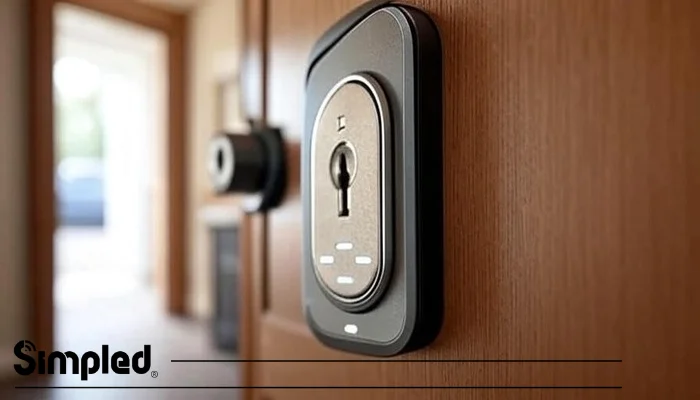
A fingerprint or touch key design is perfect for today’s living, and real-time alerts and remote control let you control the lock anywhere. Integration with popular smart home hubs like SmartThings or Ring is also essential.
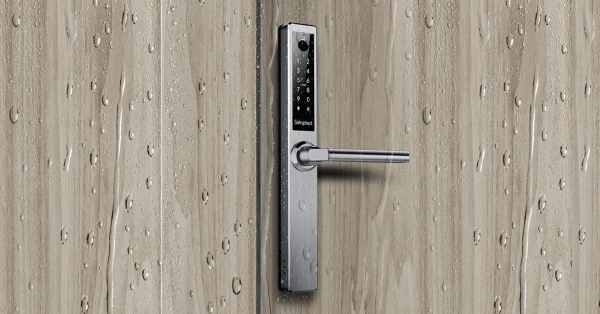
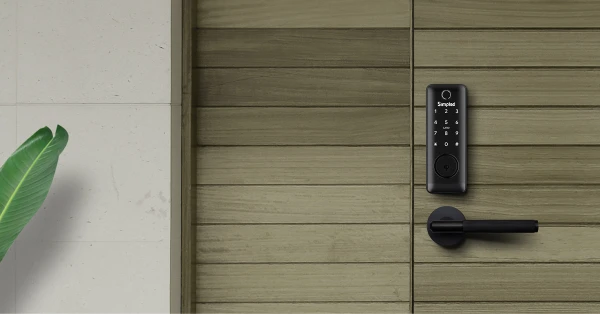
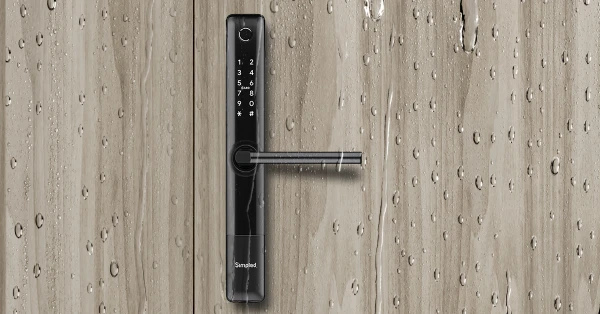
One of the top products with all these functionalities is the Simpled Smart Lock, which is popular due to its design elegance, high-security level, and easy interfacing with your smart home system. For homeowners looking for a slim, feature-rich option, the SF Slim Smart door lock combines fingerprint access, app control, and seamless smart home integration in a compact design.
One of the strong recommendations is the Kwikset Home Connect 620, which earns points for its quiet motor, easy DIY installation, Z‑Wave compatibility, and re-key capability using Kwikset or Schlage keys.
The Yale Assure Lock SL with Z‑Wave (ZW2/ZW3) also strongly recommends for its thin, key-free touchscreen design and robust Z‑Wave integration with home automation platforms like SmartThings and Wink .
And for the innovator seeking state-of-the-art innovation, Alfred’s DB2S Smart Lock with Z‑Wave Long Range (Z‑Wave 800 Series) and wireless charging capability (Wi‑Charge) offers robust extended connectivity and battery hassle liberation.
Best Z-Wave Door Locks Brands
Several of the well-known brands control the Z-Wave smart lock market with each offering something unique for particular user needs. Simpled Smart Lock is a 2025 new brand that provides high-end, keyless style and easy Z-Wave connectivity.
It’s perfect for clean homes requiring a sleek yet secure smart lock. Simpled locks usually feature fingerprint authentication, mobile entry, and easy setup. Also, Danalock offers sleek and slim Z-Wave door locks that may be easily installed to function with deadbolts.
Their Danalock V3 Z-Wave is a great choice for someone who wants the combination of Scandinavian aesthetics and strong encryption technology. Other best Z-Wave door locks brands are:
- Yale
- Schlage
- Kwikset
Top Features to Look for in 2025 Z-Wave Door Locks
Easy installation is one of the best door locks with the Z-Wave option. Tool-free or simple DIY installation suitable for standard door width. Moreover, strong signal and feature to act as a repeater on your Z-Wave mesh network for consistent connectivity.
A top pick in 2025 is Simpled Smart Locks, which have a reputation for balancing sophisticated design, military-grade security, and app control that works beautifully—appealing to today’s smart homes.
Is a Z-Wave Door Lock Right for You?
A Z-Wave door lock may be the perfect choice if you’re looking to make your home a wiser, safer, and more convenient place. The locks have a mix of convenience, security, and remoteness that would appeal to homeowners who have already used or would use a Z-Wave-capable smart home controller.
Considerations before Choosing a Z-Wave Door Lock
Look at the entry type you desire—keypad, fingerprint, or key backup. Consider the security features, for example, encryption and tamper alert, and the power supply, for example, whether battery-powered and for how long the batteries last. Also, look at the design and finish to match your door and decor.
Conclusion
In this article, we have explained what is Z-Wave door lock and what its features are. Z-Wave door locks are the future of home security since they combine intelligent technology, ease, and good security all into a straightforward package.
You may require opening your door remotely, managing access codes for household members or guests, or merely integrating your lock easily into an increasing smart house system.
Z-Wave provides uncompromising freedom and security with no compromise on any of the above.
Final Thought on Z-Wave Door Locks
Investing in a Z-Wave door lock is investing in your home security and your family’s convenience. With Simpled, you’re not purchasing a lock—you’re purchasing a smart security partner that is designed for today’s connected home.
Don’t settle for ineffective keys or shady technology when you can enter into the future of home security with confidence. Visit our website today and find out more about innovative Z-Wave locks and experience smarter, safer living at your fingertips. Your home is worth it.
Frequently Asked Questions
What Is a Z-Wave Door Lock and How Does It Work?
A z-wave door lock uses low power Z-Wave tech to connect with smart home hubs, enabling secure remote control for UK homes in 2025.
Are Z-Wave Door Locks Compatible with Alexa in 2025?
Yes, Z-Wave door locks work with Alexa via a hub, offering voice control and integration for UK smart homes.
Why Choose a Z-Wave Door Lock for UK homes in 2025?
Z-Wave door locks provide reliable connectivity, long battery life and compatibility with UK doors, enhancing security and smart home setup.



Leave a Reply