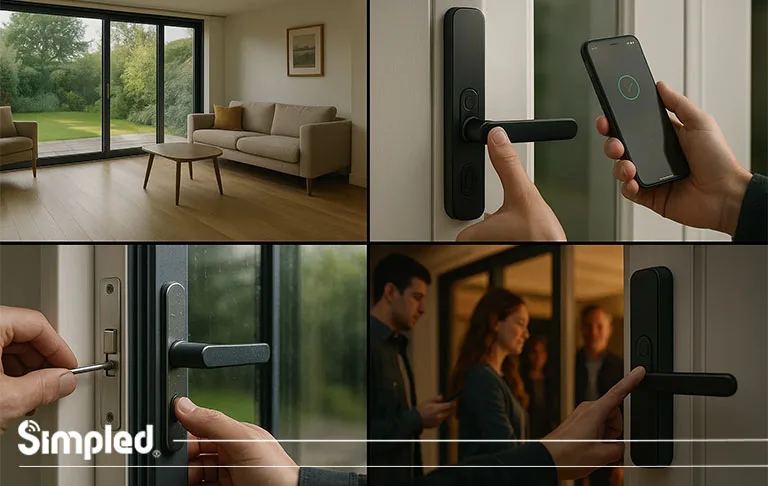
Your patio door is more than a stylish gateway to your garden — it’s also a potential access point for intruders if not properly secured. In the UK, where sliding and French patio doors are popular, choosing the right lock can make a big difference in both home security and peace of mind.
From traditional mortice locks to modern smart locking systems, today’s patio door locks combine design, durability, and innovation. Whether you’re upgrading your existing doors or exploring smart home integration, understanding the different types of patio door locks will help you make the right choice.
Understanding the Basics of Patio Door Security
Before exploring the various door lock types, it’s important to know what makes patio doors unique:
Large glass panels – more exposed area requires stronger frames and secure locking points.
Sliding or hinged operation – determines the type of locking mechanism suitable.
Outdoor exposure – locks must withstand weather conditions, especially in the UK’s variable climate.
A reliable patio door lock should balance strength, weather resistance, and ease of use — and for modern homeowners, even smart connectivity.
Different Types of Patio Door Locks
Patio doors come in several styles, and each type benefits from a specific locking mechanism. Let’s explore the main ones used in UK homes.
1. Mortice Locks
A classic and robust option, mortice locks fit inside the edge of the door, providing strong security.
Best for: Wooden or French patio doors.
Security Level: High — usually meets BS3621 British Standards.
Advantages: Difficult to tamper with; solid and long-lasting.
Considerations: Requires professional fitting; not ideal for slim aluminium or uPVC frames.
? Expert Tip: If you have French patio doors, consider a 5-lever mortice lock combined with surface bolts for added reinforcement.
2. Multi-Point Locks
Multi-point locks secure your door at several points (top, middle, and bottom) with one key turn or lever lift.
Best for: uPVC and aluminium patio doors.
Security Level: Very high — multiple locking hooks make forced entry difficult.
Advantages: Excellent sealing against drafts and water; smooth operation.
Considerations: Requires precise alignment to function smoothly.
3. Sliding Patio Door Locks
These are designed specifically for doors that move horizontally along a track. They can be latch-style, mortice, or hook-type mechanisms.
Best for: Sliding glass patio doors.
Security Level: Moderate to high depending on lock quality.
Advantages: Compact and easy to operate.
Considerations: The weakest point is often the track — pairing with an anti-lift device is essential.
? Installation Tip: Always check the lock’s compatibility with your sliding mechanism before purchase.
4. Keyed Patio Door Bolts
Bolts are a simple yet effective addition for extra security. They fasten the door to the frame or floor and require a key to open.
Best for: Secondary security on sliding or hinged doors.
Security Level: High when used in pairs (top and bottom).
Advantages: Low-cost reinforcement; ideal for rented properties.
Considerations: Manual operation — not as convenient as auto-locking systems.
5. Cylinder Locks
Cylinder locks are versatile and can be found in a range of patio door systems. The cylinder contains the key mechanism and can be easily replaced.
Best for: uPVC and aluminium doors.
Security Level: Moderate to high — depends on anti-snap, anti-drill, and anti-pick protection.
Advantages: Easy replacement; cost-effective upgrades.
Considerations: Avoid basic models without British Standard certification.
? Pro Tip: Look for TS007 3-star rated cylinders for the highest level of protection in the UK.
6. Smart Patio Door Locks
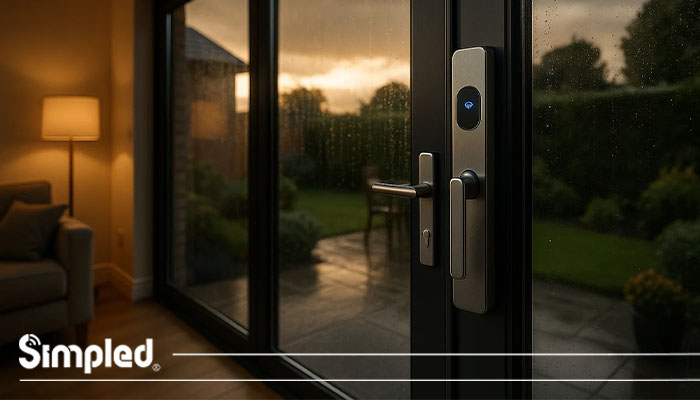
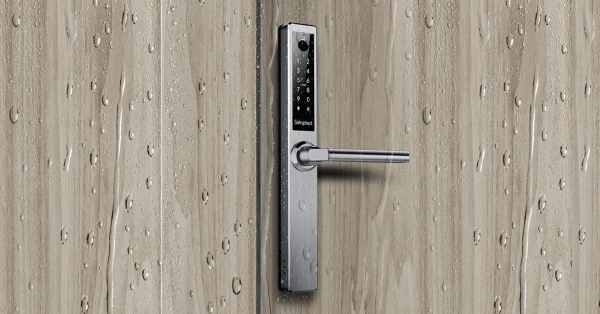
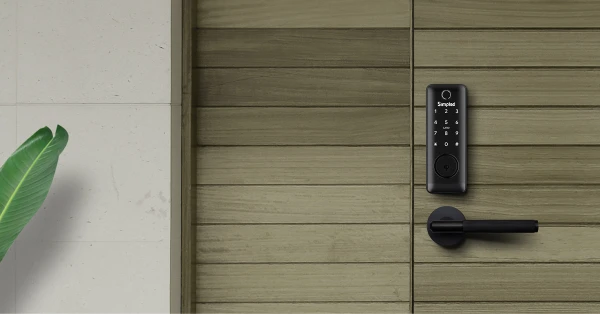
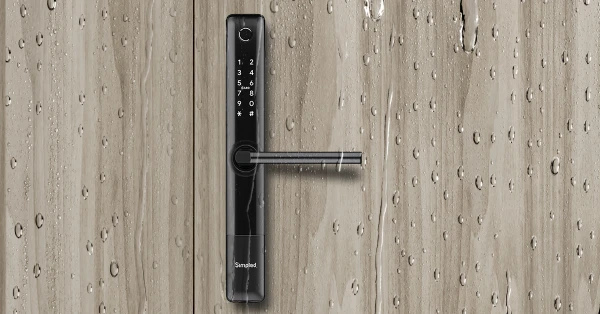
Smart locks are revolutionising home security — and now they’re available for patio doors too. These allow you to lock and unlock doors using your phone, fingerprint, or voice assistant.
Best for: Modern homes, Airbnb hosts, and tech enthusiasts.
Security Level: Advanced — encryption and multiple unlock options.
Advantages: Remote access, activity logs, timed eKeys, and integration with Alexa or Google Home.
Considerations: Requires batteries or Wi-Fi bridge for remote control.
? Simpled Insight: Simpled’s smart lock series combines Bluetooth Low Energy efficiency, bank-level encryption, and British design elegance, ideal for homeowners seeking smart convenience without compromising safety.
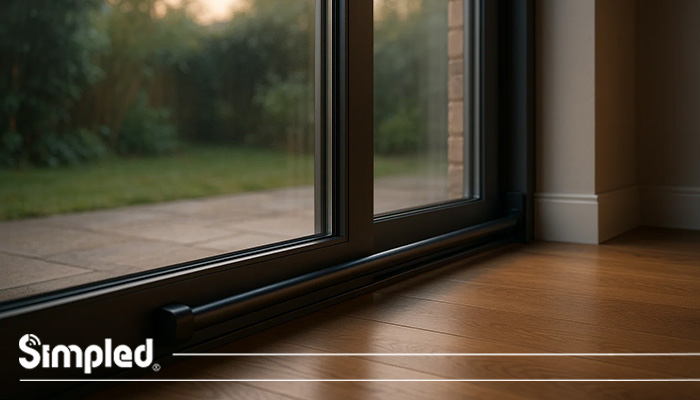
7. Patio Door Security Bars & Rods
While not technically a “lock,” these are strong deterrents against forced entry. A security bar prevents the door from sliding open even if the lock is compromised.
Best for: Sliding patio doors.
Advantages: Affordable, visible protection.
Considerations: Manual setup required; not a substitute for a high-quality lock.
How to Choose the Right Patio Door Lock
When selecting a patio door lock, consider:
Door Type: Sliding, French, or bi-fold — each needs specific hardware.
Material: Wood, aluminium, or uPVC influence compatibility.
Security Needs: Do you need basic security or smart connectivity?
Ease of Use: Especially for elderly residents or children.
Weather Resistance: Outdoor exposure demands IP-rated protection.
? Expert Advice: If you manage short-term rentals, a smart lock with time-limited access codes (like Simpled’s SF or SS Slim series) makes key handovers effortless and secure.
Benefits of Upgrading to a Smart Patio Lock
Switching from traditional to smart locking systems offers major advantages:
Remote Control: Lock/unlock your patio door from anywhere via mobile app.
Access Management: Share eKeys or passcodes with family or guests.
Real-Time Monitoring: Receive alerts when someone enters.
Sleek Aesthetics: Complements modern patio door designs.
Energy Efficiency: BLE technology ensures long battery life.
? Simpled Touch: Every Simpled smart lock is designed in London, engineered for reliability, and optimized for long battery life — blending British craftsmanship with cutting-edge tech.
Common Mistakes to Avoid When Securing Patio Doors
Even the strongest lock won’t perform if installed or used incorrectly. Avoid these pitfalls:
Relying on a single locking point.
Ignoring anti-lift devices on sliding doors.
Using non-weatherproof locks outdoors.
Forgetting regular maintenance and lubrication.
Overlooking smart battery life or Wi-Fi bridge setup.
? Best Practice: Test your patio door lock regularly — especially before winter, when condensation can affect mechanism performance.
Final Thoughts
Patio doors bring light and openness to your home, but they also require careful security planning. From traditional mortice locks to smart, WiFi – enabled systems, every type of patio door lock serves a unique purpose.
For modern UK homeowners seeking effortless control, real-time security, and elegant design, Simpled’s range of smart locks delivers both reliability and sophistication — ensuring your home stays safe, stylish, and connected.
FAQs
1. What are the best types of patio door locks for uPVC doors?
Multi-point locks are the best choice for uPVC patio doors as they secure the door at multiple points for extra strength and protection.
2. Are smart patio door locks safe for outdoor use?
Yes, if they’re weatherproof. Look for smart locks with at least an IP44 rating to handle UK weather conditions safely.
3. How can I make my sliding patio door more secure?
Use a strong sliding door lock, add anti-lift devices, and consider installing a smart lock with door sensors for extra protection.
4. Do I need a professional to install a smart patio lock?
Not always. Many smart locks are DIY-friendly, but for multipoint or mortice systems, professional installation is recommended.
5. What’s the difference between a mortice lock and a cylinder lock for patio doors?
Mortice locks fit inside the door for higher security, while cylinder locks are easier to replace and ideal for uPVC or aluminium doors.



Leave a Reply